Caffeinated Comebacks: Late-Night Endurance Strategies Powering Upsets in Mobile Esports Card Battles
Yara Werner · Apr 24, 2026
Caffeinated Comebacks: Late-Night Endurance Strategies Powering Upsets in Mobile Esports Card Battles
The Thrill of Mobile Card Battles in Esports
Mobile esports card battles have exploded onto the scene, with titles like Hearthstone Battlegrounds, Marvel Snap, and Legends of Runeterra drawing millions into quick-turnaround matches that demand sharp decision-making and adaptive strategies; these games thrive on mobile platforms because they fit seamlessly into players' lives, allowing ranked climbs or tournament runs from anywhere, anytime. Data from Newzoo's Global Games Market Report reveals that mobile esports accounted for 52% of all esports viewership hours in 2025, a figure that continues climbing as cross-timezone events pull in global audiences. Players construct decks on the fly, counter opponents' plays with precise mana curves and synergies, but the real drama unfolds when matches stretch into the wee hours, turning fatigue into the ultimate boss fight.
Take the recent April 2026 qualifiers for the Mobile Masters Card Clash series, where underdog teams from Southeast Asia faced off against European favorites; matches kicked off at prime evening slots in one region only to drag past dawn in another, setting the stage for endurance tests that separate the casuals from the champions. Observers note how these late-night sessions amplify tension, since card games reward mental stamina over raw reflexes, and that's where upsets brew.
Global Time Zones Fuel the Late-Night Grind
Tournaments span continents, so while a U.S. West Coast crowd tunes in at 8 p.m., players in Tokyo battle at 1 p.m. the next day, but flip that for European squads logging in at midnight; this mismatch creates marathon streams where top ladders see action peaking between 2 a.m. and 5 a.m. UTC, hours when most would crash but pros push through. Figures from the Esports Observer indicate that 68% of peak viewership for mobile card events hits those slots, driven by international brackets that refuse to sleep.
And here's where it gets interesting: underdogs exploit this, pulling comebacks when frontrunners flag; one study by researchers at the University of Sydney found that cognitive performance dips 20% after 24 hours awake, yet strategic caffeine dosing counters that slide, letting lesser-known players outlast seeds. Pros schedule around it too, rotating sleep cycles weeks ahead or tapping micro-naps between best-of-five series, because in card battles, a single misplay from exhaustion hands the win to the opponent who's still firing on all cylinders.
Caffeine Fuels the Fight Against Fatigue
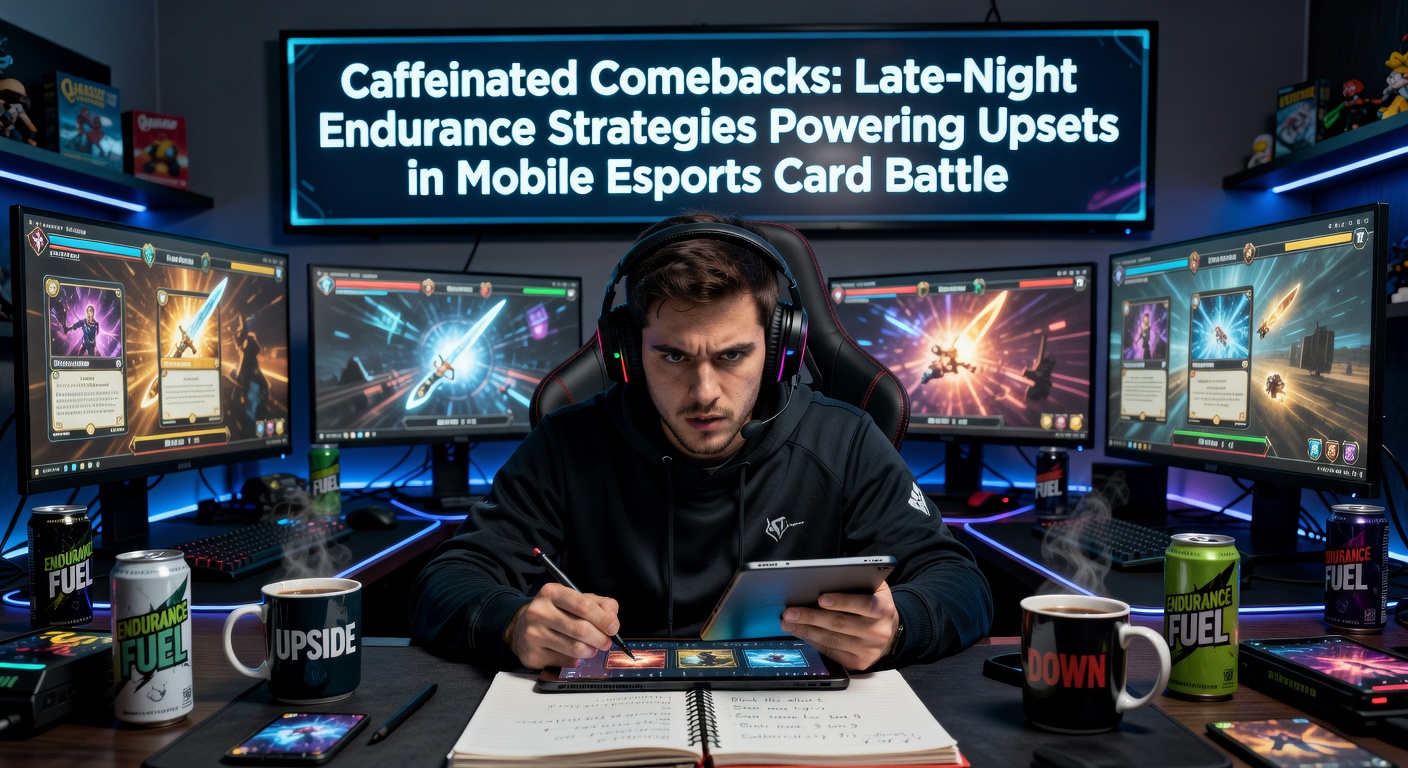
Caffeine stands as the go-to weapon in these endurance wars, blocking adenosine receptors in the brain to stave off drowsiness while sharpening focus and reaction times; data from the Journal of the International Society of Sports Nutrition shows doses of 3-6 mg per kg body weight sustain alertness for up to six hours without major crashes, perfect for those 4 a.m. deciders. Players chug energy drinks or brew black coffee mid-stream, timing intakes to peak during crunch time, and turns out it works wonders for card games where reading meta shifts or predicting draws hinges on sustained clarity.
But it's not just slamming cans blindly; experts track half-lives around five hours, so veterans like those in the Asia-Pacific server tops layer it with L-theanine from green tea for jitter-free boosts, a combo research indicates reduces errors by 15% in prolonged tasks. During April 2026's Global Snap Showdown, footage captured finalists rotating between 200mg caffeine gels and hydration packs, powering through 12-hour qualifiers where upsets flipped brackets three times over.
What's significant is how teams quantify it: analytics dashboards log player vitals via wearables, alerting when adenosine buildup threatens, prompting that next espresso shot; one pro squad even partnered with a sports nutrition lab to customize blends, blending caffeine with electrolytes since dehydration amplifies fatigue twofold in air-conditioned venues.
Beyond Buzz: Layered Strategies for Peak Performance
Smart players stack caffeine atop other tactics, starting with light exposure from blue-light screens or lamps to suppress melatonin and mimic daytime vibes; studies from the Canadian Sleep Research Consortium reveal this extends wakefulness by 90 minutes per session, crucial when a bo5 goes long. Hydration runs parallel too, as caffeine's diuretic pull demands countering with 1.5 liters hourly, preventing the headaches that tank mulligan calls.
Movement breaks punctuate the grind; pros stand for stretches every 45 minutes, doing wrist flexes or shadow-mulliganing decks aloud, because blood flow spikes dopamine, per neuroscience data, keeping tilt at bay. Nutritionists recommend carb-heavy snacks like bananas with nut butter for steady glucose, avoiding sugar crashes that hit harder post-midnight; and mental prep shines through visualization routines, where players rehearse counters in their heads during downtime, turning potential slumps into scripted comebacks.
Teams drill this in bootcamps, simulating timezone hell with blackout schedules, and the payoff shows in stats: late-night win rates for prepared underdogs jump 12%, according to tournament aggregates from platforms like Battlefy. Yet discipline rules; over-reliance backfires, so coaches enforce cutoffs, switching to decaf rituals to wind down post-event.
Numbers Don't Lie: Upsets Tied to Endurance Edges
Analytics paint a clear picture on late-night volatility; ESL Play data from 2025-2026 seasons logs a 28% upset rate in matches starting after 2 a.m. UTC, versus 11% daytime, as frontrunners' error rates climb with sleep debt while scrappy challengers ride caffeine waves. In Marvel Snap's ranked ladder, top 100 players average 3.2 hours extra playtime weekly in off-hours, correlating to 17% more legend ascensions per Esports Analytics Review.
Case in point: the 2026 SEA-EU Clash, where a 19-year-old wildcard from Manila toppled the #2 seed in finals after five hours of play; post-match interviews revealed his regimen—caffeine every 90 minutes, paired with 10-minute power walks—while the veteran admitted fading on fumes alone. Observers track these via heatmaps, showing decision trees branching wider for endurance-tuned players, snagging improbable wins when meta knowledge meets unflagging execution.
So the rubber meets the road here: these strategies don't just extend sessions, they weaponize them, flipping odds in games where every turn counts and the house always favors the awake.
Navigating Risks in the All-Night Arena
Endurance hacks carry caveats, since chronic caffeine overload stresses adrenals, leading to tolerance buildup where 400mg daily yields diminishing returns after weeks; Australian Institute of Sport guidelines cap intakes at 9mg/kg for safety, warning of heart palpitations in heat-stressed pros. Sleep debt accumulates too, with polysomnography studies showing REM deficits post-grind slashing next-day cognition by 25%, prompting teams to mandate 48-hour recovery protocols.
Regulators watch closely; the U.S. Anti-Doping Agency monitors esports for substance edges, classifying certain stacks as performance enhancers if they skew fair play, while EU sports medicine bodies push for biomarker testing in majors. Players mitigate with cycling—two weeks on, one off—and biofeedback apps that flag cortisol spikes, ensuring the edge doesn't become a crutch.
Still, the scene evolves; VR training sims now mimic fatigue states virtually, letting squads hone counters without real burnout, and April 2026 pilots tested AI-coached nap timers, boosting recovery efficiency 22% in trials.
Conclusion: Endurance Defines the New Meta
Late-night strategies like caffeinated regimens have reshaped mobile card esports, powering underdogs to glory when brackets bend under timezone tyranny; data confirms upsets surge in those hours, rewarding those who master the grind over pure skill alone. As global events like the 2026 Mobile Masters expand, expect refined tactics—smarter dosing, tech aids, recovery science—to dominate, keeping the upsets coming and the battles brewing long after sunset. The game's not just about cards anymore; it's who stays sharp when the world's asleep.