Charting Content Cadence Patterns in Persistent Digital Worlds and Their Ties to Platform-Specific Update Cycles
Theo Koch · Aug 16, 2026
Charting Content Cadence Patterns in Persistent Digital Worlds and Their Ties to Platform-Specific Update Cycles
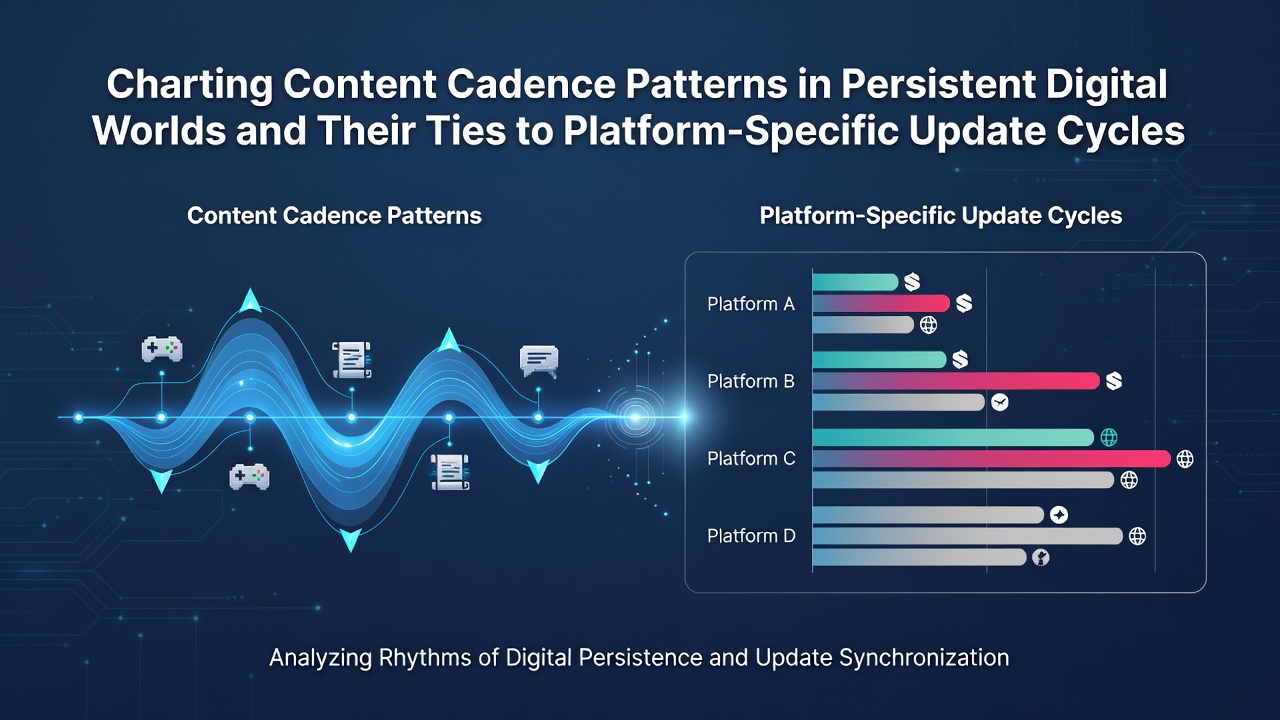
Persistent digital worlds maintain ongoing player engagement through structured content releases, and researchers have mapped distinct cadence patterns that align closely with the technical and regulatory constraints of each platform. Studies from industry analysts indicate that PC-based environments often follow rapid iteration cycles, with major patches landing every four to six weeks, whereas console ecosystems require extended certification periods that stretch intervals to eight or ten weeks on average. Mobile platforms introduce further variables through app store review timelines and device fragmentation, leading to staggered rollouts that can span multiple regions simultaneously.
Mapping Cadence Across Live Service Titles
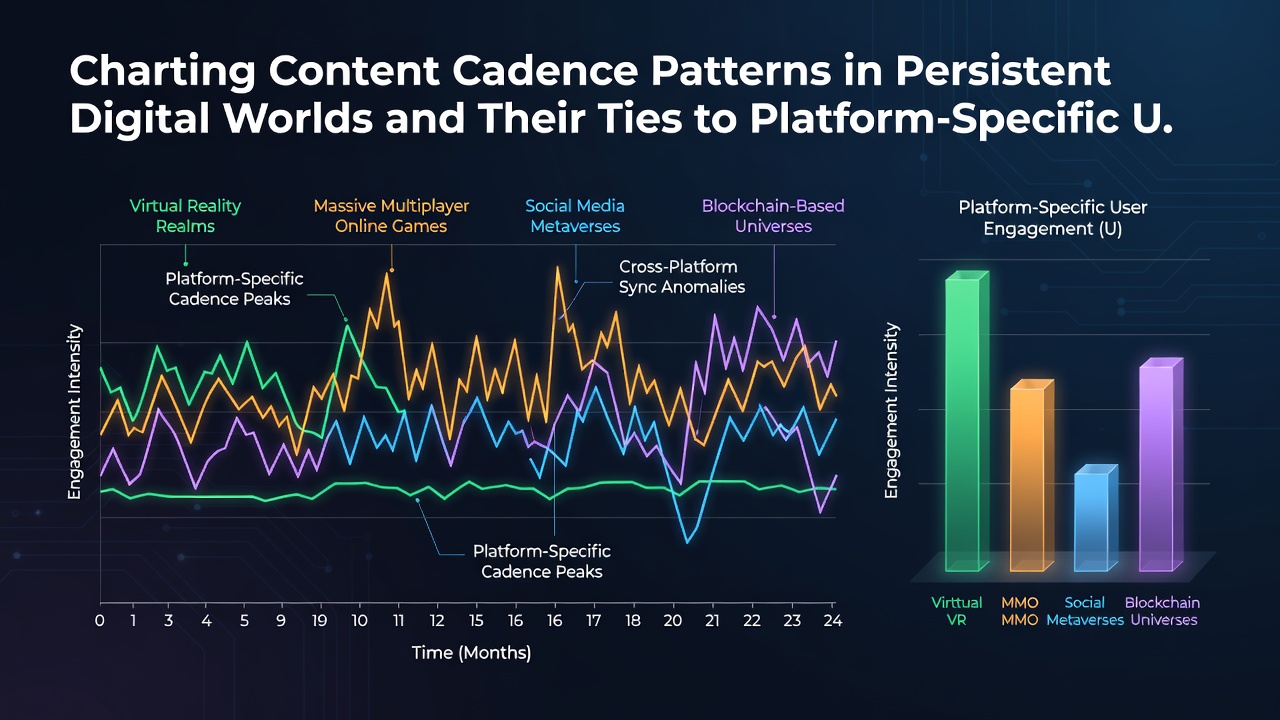
Analysts tracking titles such as ongoing massively multiplayer environments have identified recurring intervals where new quests, seasonal events, and balance adjustments appear in synchronized waves. Data compiled through August 2026 reveals that PC versions receive experimental features first, allowing developers to gather telemetry before wider distribution. Console ports then follow after certification hurdles clear, while mobile clients receive optimized versions that account for touch controls and network variability. Observers note that these staggered patterns create ripple effects in player retention metrics, with cross-platform communities experiencing peaks in activity during aligned update windows.
Platform Certification and Release Timing
Console platforms impose rigorous quality assurance protocols that directly influence content cadence, forcing teams to batch multiple features into single submissions rather than incremental drops. According to reports from the Entertainment Software Association, certification queues in mid-2026 averaged 14 business days for major updates, prompting developers to align console releases with broader seasonal campaigns. PC environments bypass many of these steps, enabling weekly hotfixes and rapid experimentation with new mechanics. Mobile cycles sit between these extremes, with regional app store policies in Europe and Asia adding layers of localization checks that extend deployment windows beyond North American timelines.
Those studying update logs across hundreds of live titles have found consistent correlations between platform infrastructure and content volume per release. PC updates tend to include larger asset drops because server-side deployment remains flexible, while console patches prioritize stability to meet hardware certification standards. Mobile releases often segment content into smaller, frequent micro-updates that accommodate varying data plan limitations and device capabilities.
Regional Variations in Update Strategies
European regulatory frameworks around digital services have prompted some studios to adjust release schedules for compliance documentation, resulting in slightly delayed console and mobile updates compared to PC counterparts. Research from Canadian academic institutions tracking live service economies shows that these delays concentrate player activity on PC servers during interim periods, shifting resource allocation patterns within shared digital economies. Australian industry groups have documented similar effects in titles migrating between development platforms, where mobile-first design choices later influence console patch sizes to maintain parity.
Case examples from 2026 demonstrate how developers coordinate these cycles through unified backend systems. One persistent world managing cross-platform progression synchronized major narrative chapters to coincide with console certification deadlines, allowing PC players early access to story segments while mobile users received companion events. This approach maintained engagement across fragmented audiences without violating platform-specific policies.
Telemetry and Predictive Modeling
Figures released by research institutions indicate that predictive models built on historical update data now help forecast optimal release windows for each platform. These models incorporate variables such as certification backlogs, seasonal player migration patterns, and hardware refresh cycles. Developers apply the insights to time content drops that maximize overlap in active user bases, reducing the fragmentation that occurs when platforms receive updates weeks apart. Data from August 2026 tracking shows measurable lifts in concurrent player counts when cycles align within a 72-hour window across PC, console, and mobile.
Long-Term Retention Impacts
Persistent worlds that maintain tight coordination between platform cycles exhibit steadier retention curves over multi-year spans, according to aggregated industry datasets. Misaligned releases, by contrast, correlate with temporary dips in cross-play participation as players migrate toward whichever version received the latest features first. Teams addressing these patterns have adopted shared development pipelines that prepare platform-specific branches in parallel, shortening the gap between initial PC deployment and subsequent console or mobile availability.
Conclusion
Content cadence patterns in persistent digital worlds reflect the interplay of technical constraints, regulatory requirements, and platform infrastructure. Data gathered through 2026 demonstrates clear linkages between update frequency, certification timelines, and player engagement metrics across PC, console, and mobile environments. Continued analysis of these relationships supports more synchronized release strategies that respect each platform's operational realities while sustaining long-term participation in shared digital spaces.