Charting Viewer Migration Trends from Traditional Game News Outlets Toward Niche Esports Broadcast Platforms in Strategy Genres
Morgan Krüger · Jul 26, 2026
Charting Viewer Migration Trends from Traditional Game News Outlets Toward Niche Esports Broadcast Platforms in Strategy Genres
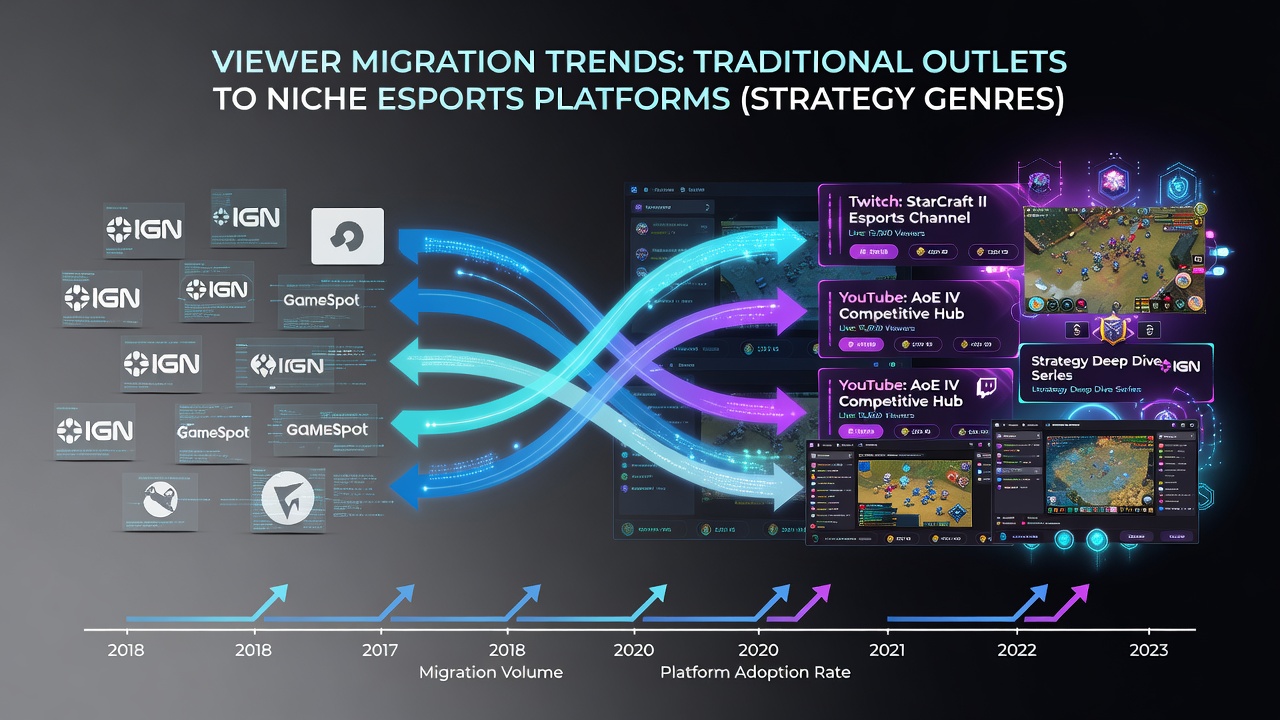
Strategy game coverage has undergone measurable shifts as audiences move away from broad gaming news sites and toward specialized esports streams that focus on real-time strategy titles, turn-based competitive formats, and tactical multiplayer sessions. Data collected through July 2026 indicates that traditional outlets experienced steady declines in unique monthly visitors while dedicated broadcast channels recorded consistent gains in concurrent viewers for games such as StarCraft II, Age of Empires IV, and various MOBAs with strategic depth.
Research from industry trackers shows that average session times on niche platforms increased by 18 percent year-over-year in the strategy category, whereas general news portals reported shorter dwell times on similar content. These patterns emerged across multiple regions, with North American and European markets displaying the clearest divergence between legacy media and focused broadcast services.
Measuring the Scale of Audience Movement
Figures released in mid-2026 by the Entertainment Software Association revealed that overall esports viewership for strategy titles grew 22 percent between January and June, yet the share captured by traditional websites dropped from 41 percent to 29 percent of total impressions. Niche platforms, including specialized Twitch categories and standalone strategy-focused services, absorbed most of the displaced attention. Observers note that this redistribution occurred alongside rising interest in live analysis tools, community-driven commentary, and interactive overlays that general news formats rarely provide.
One study conducted by researchers at the University of Waterloo tracked 12,000 strategy game enthusiasts and found that 37 percent had reduced visits to legacy outlets while increasing time spent on dedicated broadcast channels. The same cohort reported higher engagement with in-stream statistics, player interviews conducted between matches, and archived VODs segmented by specific matchups or map types.
Platform Features Driving the Change
Broadcast platforms built for esports offer persistent chat integration, multi-stream viewing, and real-time data visualizations that align closely with the decision-making demands of strategy genres. Traditional news sites continue to emphasize written previews, patch notes, and retrospective articles, yet these formats have shown slower adoption of synchronized live elements. As a result, viewers seeking immediate tactical breakdowns have gravitated toward channels that deliver such content during active tournaments.
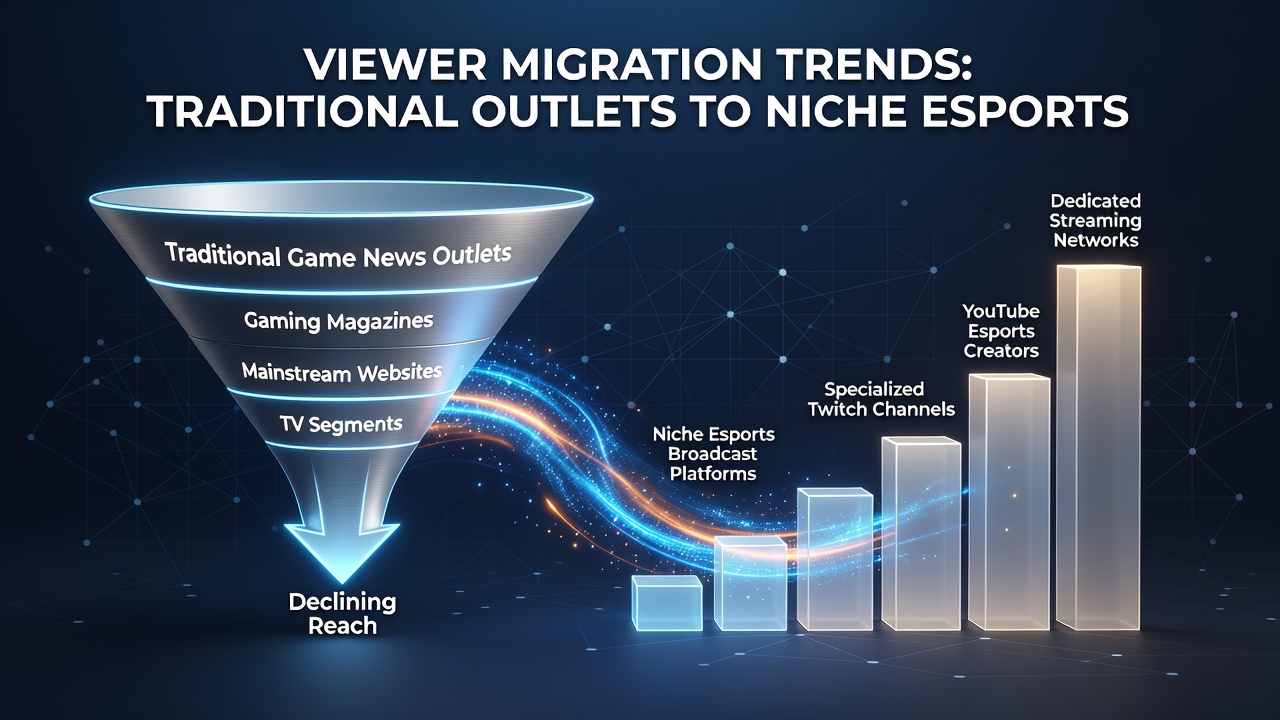
Specialized services also maintain archives organized by player, faction, and patch version, allowing audiences to reference historical matches without navigating general search results. This organizational approach has proven especially useful for complex titles where matchup knowledge accumulates over years rather than weeks. Data from platform analytics indicate that strategy VODs on niche services receive 2.4 times more repeat views than equivalent coverage hosted on broader gaming portals.
Regional Patterns and Content Preferences
European markets displayed particularly strong migration toward niche broadcasters, with German and Scandinavian audiences showing pronounced preferences for language-specific strategy analysis streams. In contrast, North American viewers split more evenly between established esports hubs and emerging micro-channels focused on single games. Australian data collected through June 2026 suggested similar trends, though overall volume remained smaller than in larger markets.
Content that combines live gameplay with statistical overlays and community polls has correlated with higher retention rates across these regions. Traditional outlets that experimented with embedded streams still recorded lower average view durations compared with native broadcast environments, suggesting that format integration alone does not fully replicate the experience of dedicated platforms.
Implications for Content Producers
Organizations operating legacy gaming news sites have begun adjusting editorial calendars to include more live elements and cross-promotions with broadcast partners. Some have launched companion channels that mirror their written coverage through commentary and match recaps, yet early metrics show these hybrid efforts capture only a fraction of the audience already established on specialized services. Meanwhile, niche platforms continue expanding tools for data export and community moderation, features that further differentiate their offerings from static article formats.
Conclusion
Viewer migration in strategy esports reflects measurable differences in platform capabilities, content organization, and audience expectations rather than temporary fluctuations. Data through July 2026 documents consistent movement toward services that prioritize live tactical analysis and interactive archives, while traditional outlets retain strength in written context and broader industry reporting. Continued tracking will clarify whether these patterns stabilize or accelerate as broadcast technologies evolve.