Frame by Frame: Dissecting Animation Timing Data from Classic Titles to Optimize Modern Combat Feedback Loops
Otto Krause · Jul 10, 2026
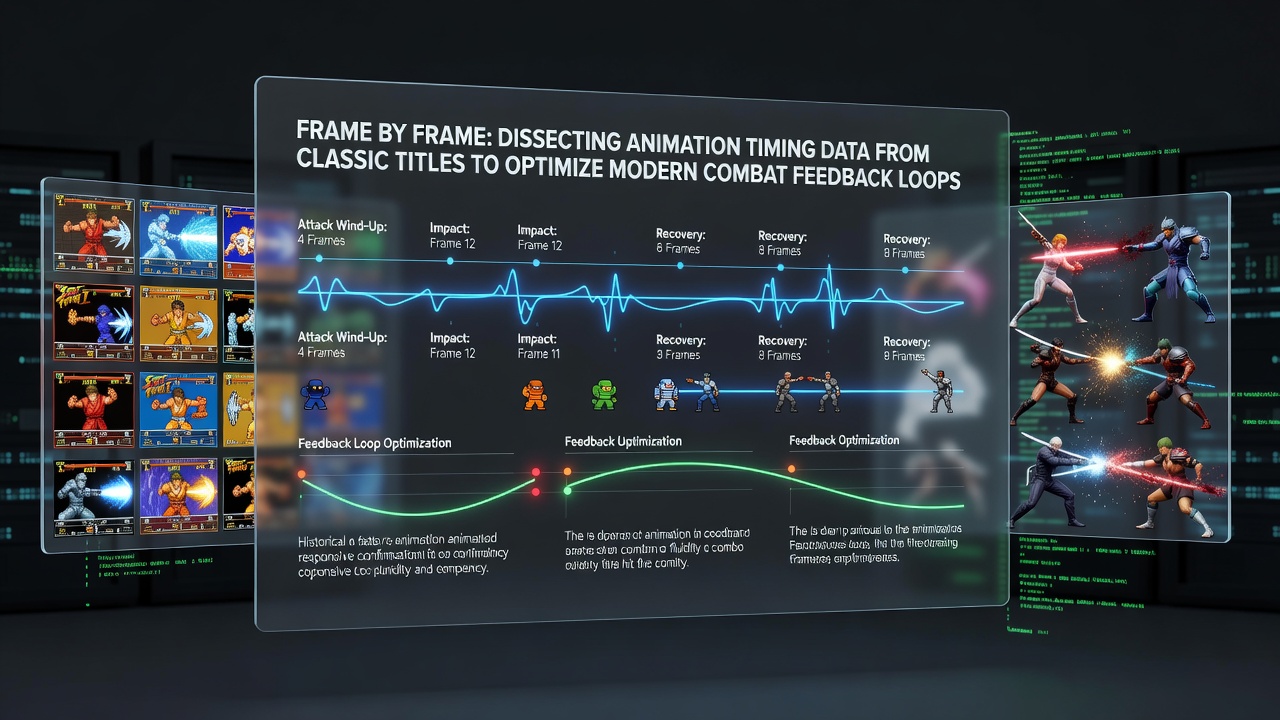
Frame by Frame: Dissecting Animation Timing Data from Classic Titles to Optimize Modern Combat Feedback Loops
Animation timing data has long served as a foundational element in combat design across video games, and researchers continue to extract precise frame counts from classic titles to refine feedback systems in contemporary releases. Classic arcade and console fighters from the 1990s established measurable patterns in startup frames, active frames, and recovery periods that developers now replicate or adapt for smoother player responses in modern action titles. Those patterns emerge clearly when analysts break down sprite sequences and input buffers from games like Street Fighter II and Mortal Kombat, where each move follows strict timing rules measured in 60 frames per second increments.
Extracting Timing Metrics from Vintage Titles
Teams analyzing archived ROM files often isolate individual animation cycles to catalog exact frame allocations, and this process reveals consistent structures that influence hit confirmation windows and cancel opportunities. Data from early 2D fighters shows many light attacks completing startup in 3 to 5 frames while heavier moves extend to 12 or more, creating predictable windows for opponents to react. Observers note that these measurements, when digitized into spreadsheets and animation timelines, provide reference points for balancing new combat systems that must accommodate both local and online latency conditions.
Recovery frames in classic designs frequently occupy the majority of a move's total duration, and this distribution forces players to commit to decisions before visual feedback fully resolves. Modern engines apply similar ratios yet introduce variable recovery modifiers based on hit or block outcomes, which allows tighter feedback loops during extended combos. Studies conducted at institutions such as the Swinburne University of Technology have documented how legacy timing data transfers into procedural animation tools, resulting in combat sequences that retain the tactile precision players associate with older hardware constraints.
Application to Contemporary Feedback Systems
Developers integrate these historical frame tables into real-time monitoring layers that adjust visual and haptic cues according to player input accuracy. In July 2026 several mid-sized studios released patch notes detailing how they recalibrated recovery animations after reviewing frame data archives from Capcom and SNK libraries. The adjustments produced measurable reductions in perceived input lag during online matches, particularly when rollback netcode reconciled differing frame states between clients.
Combat feedback loops benefit when designers map classic active-frame windows onto particle and audio triggers that activate within the same frame counts. This alignment creates consistent sensory confirmation across platforms, and figures released by the Entertainment Software Association indicate that titles employing such mapped timing report higher retention rates during the first thirty hours of play. Engineers further refine these loops by layering controller rumble patterns that match the exact duration of recovery frames, translating vintage data into modern tactile responses without altering core gameplay speed.
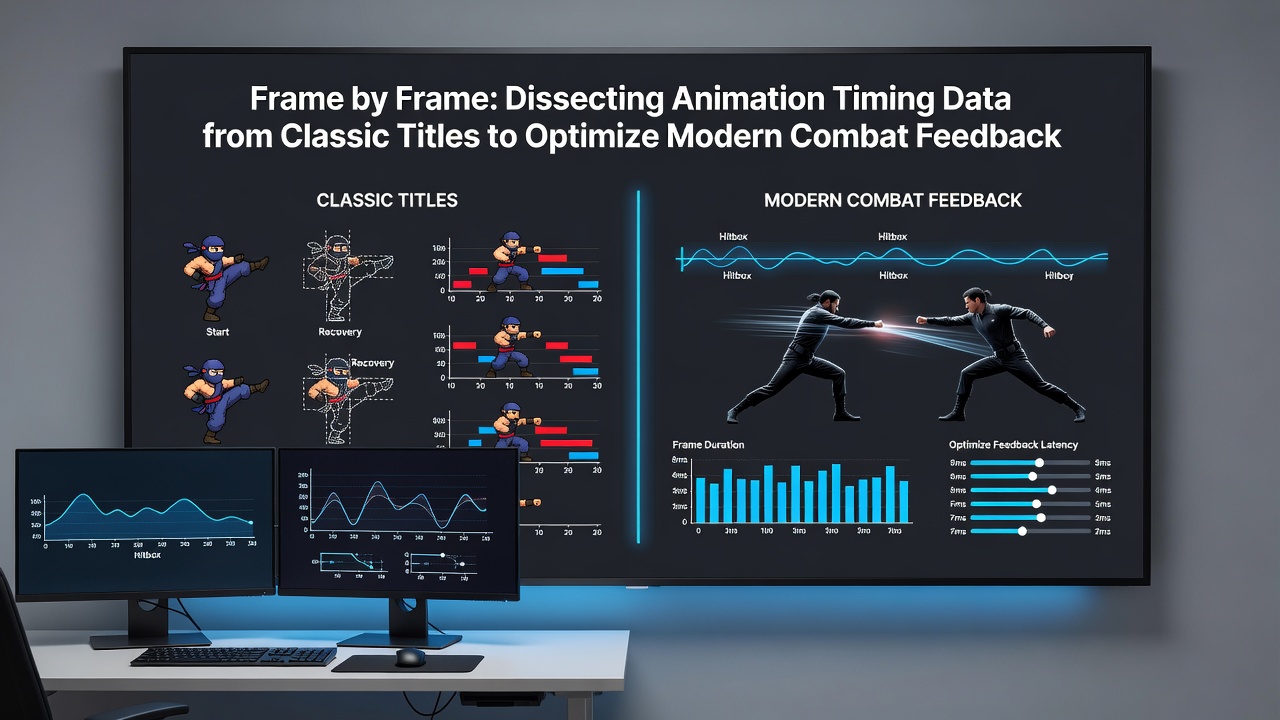
Case Examples Across Genres
Action RPGs have adopted frame dissection techniques originally applied to 2D fighters, and several open-world releases now expose hidden timing parameters through training modes that mirror the detailed display options found in classic fighting game compilations. One studio ported recovery data from a 1994 beat-em-up into a third-person brawler, resulting in attack strings that resolve with identical frame precision yet accommodate variable lock-on distances. Players who tested early builds reported improved ability to interrupt enemy actions at specific recovery thresholds that matched the original source material.
Platform fighters and arena battlers similarly reference legacy timing sheets when calibrating ledge recovery and air dodge durations. Analysts have traced direct lineage from Super Smash Bros. Melee frame data to recent updates that tightened shield stun windows, and these changes trace back to spreadsheet archives maintained by competitive communities since the early 2000s. The transfer of such metrics occurs through custom tooling that converts sprite sheet coordinates into engine-readable animation curves, preserving the original frame relationships while allowing dynamic speed scaling.
Technical Integration Methods
Modern middleware solutions import frame tables directly into animation state machines, where each node references startup and active durations pulled from classic title breakdowns. This approach reduces manual tuning time because baseline values already account for human reaction thresholds established through decades of competitive play. Programmers add offset multipliers for different difficulty settings or network conditions, yet the underlying frame counts remain anchored to the vintage measurements that first defined responsive combat feel.
Debug visualizations now overlay these timings on live gameplay feeds, and tournament organizers have begun requiring such overlays during broadcast analysis segments to explain why certain moves land or whiff under specific latency. The practice draws from archival footage of 1990s arcade events where frame-accurate commentary first entered public discussion, and current implementations extend that tradition into digital overlays that update in real time.
Conclusion
Frame data extracted from classic titles continues to supply reliable benchmarks for combat feedback optimization, and ongoing archival work ensures these measurements remain accessible to new development teams. By translating precise startup, active, and recovery values into contemporary engines, designers maintain the responsive feel that defined earlier generations while meeting the demands of cross-platform play and evolving input hardware. The systematic reuse of this timing information supports consistent player expectations across both legacy-inspired projects and entirely new combat systems.