Input Synchronization Variances Reshaping Pro Training Methods in Multi-Format Fighting Game Circuits
Yara Werner · Aug 26, 2026
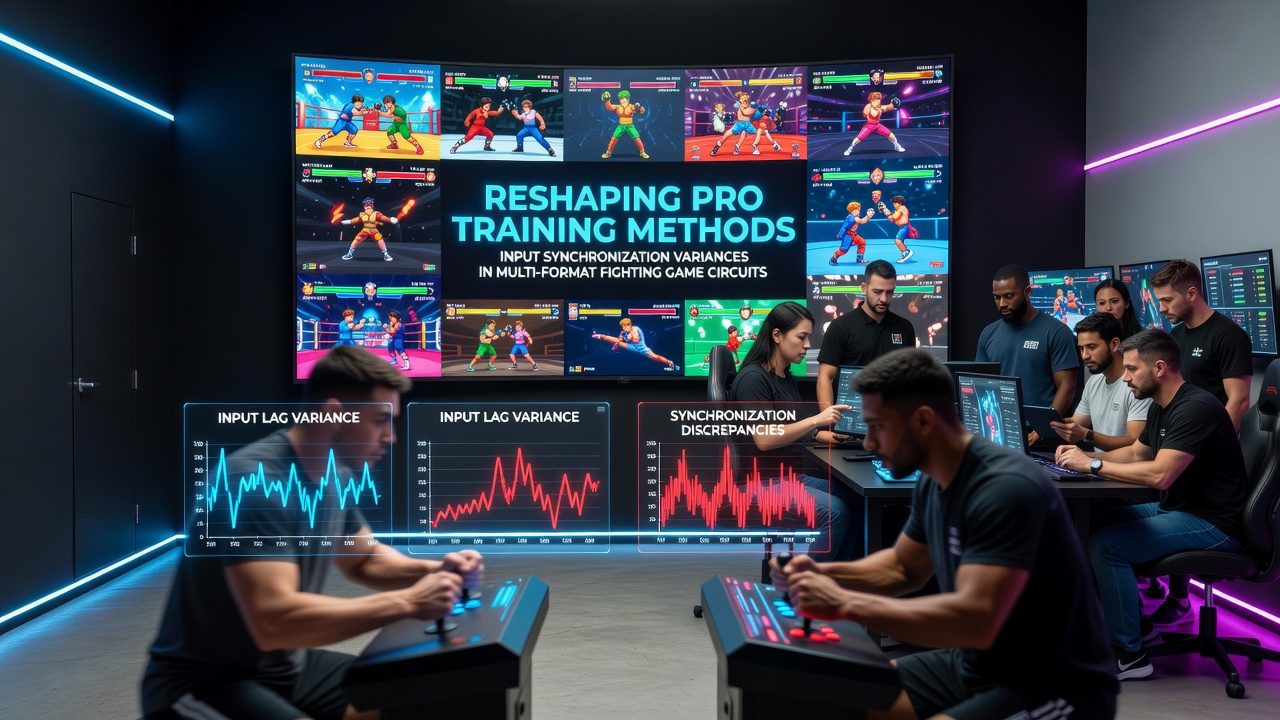
Input Synchronization Variances Reshaping Pro Training Methods in Multi-Format Fighting Game Circuits
Input synchronization variances across PC, console, and mobile platforms have prompted measurable adjustments in how professional fighting game competitors prepare for events in circuits that span multiple formats, with data from 2026 tournaments indicating shifts in practice routines and hardware calibration protocols. Players who compete in titles such as Street Fighter 6 and Tekken 8 now allocate dedicated sessions to measure frame timing differences that arise when the same game runs on different input devices and network conditions, and these measurements feed directly into customized training regimens that account for platform-specific latency profiles.
Platform Differences and Their Measurable Effects
Research conducted by teams at several universities has documented average input delays ranging from 1 to 4 frames depending on whether competitors use wired controllers on PlayStation 5, wireless setups on Xbox Series X, or touchscreen interfaces on high-refresh-rate mobile devices, and these variations compound when online matchmaking routes traffic through different regional servers. Observers note that competitors who previously relied on uniform hardware during solo practice now incorporate deliberate cross-platform drills, switching between setups every 20 minutes to build adaptability rather than optimizing for a single configuration. Data collected during the August 2026 EVO circuit qualifiers showed that matches played across mixed-format brackets produced a 12 percent higher rate of dropped combos compared to single-platform pools, prompting coaches to revise warm-up sequences that include latency calibration tools built into training modes.
Adjustments in Daily Training Protocols
Training facilities associated with major esports organizations have introduced standardized input monitoring software that logs frame delivery times in real time, allowing players to review discrepancies immediately after each set instead of relying on post-match video analysis alone. One study from researchers at the University of California, Irvine, tracked 47 professional players over a three-month period and found that those who integrated variance-specific drills reduced execution errors in cross-platform matches by an average of 18 percent. Competitors now begin sessions by running automated synchronization tests that compare button press registration across devices, then adjust timing windows in their mental models accordingly before moving into character-specific execution work. The approach replaces older routines that assumed consistent input response and instead treats each platform as a distinct variable that requires active compensation.
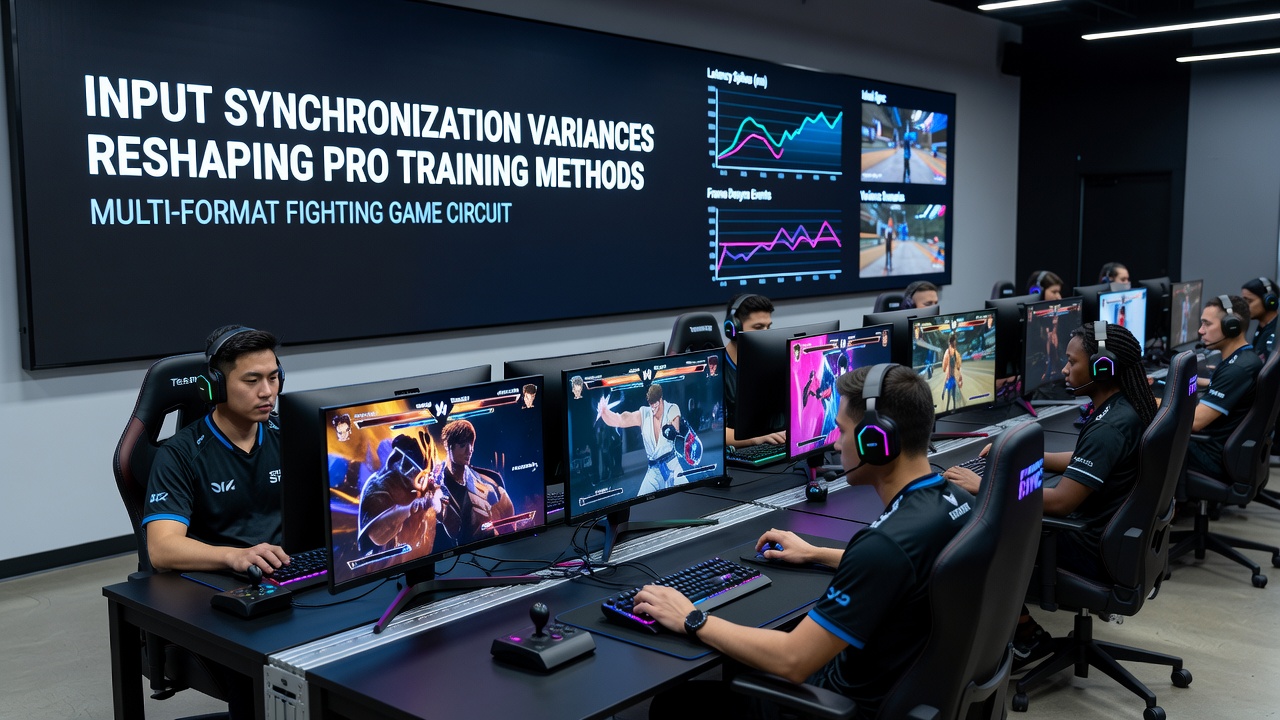
Coaches have begun requiring athletes to maintain separate timing charts for each format they encounter in upcoming brackets, and these charts get updated after every tournament appearance to reflect firmware changes or server adjustments released by publishers. What's interesting is how this documentation practice has spread from top-tier teams to mid-level competitors who qualify through open brackets, creating a shared knowledge base that circulates through community forums and private training groups.
Impact on Tournament Preparation and Circuit Structures
Event organizers have responded by publishing platform specifications weeks in advance so that participants can tailor their preparation, and several circuits now include mandatory calibration periods before official matches begin. Figures released by the Entertainment Software Association in mid-2026 indicated that fighting game viewership on mobile streaming platforms rose 27 percent year-over-year, which in turn increased the number of competitors entering events from mobile-first regions. This geographic expansion has forced training programs to account for additional variables such as variable touch sampling rates and regional network routing patterns that differ from those encountered on traditional console setups. Players report dedicating entire practice blocks to replicating tournament network conditions rather than assuming home connections will match event environments.
Emerging Tools and Data Integration
Software developers have released updated versions of frame-counting utilities that now support simultaneous logging from multiple devices, and these tools integrate with cloud-based analytics platforms used by coaching staffs. A report issued by the Association for Computing Machinery in July 2026 highlighted how real-time synchronization overlays help competitors identify patterns in their execution that only appear when input variance exceeds a certain threshold. Teams that adopted these overlays early in the season recorded higher consistency in execution during best-of-five sets that crossed platform boundaries. The integration of biometric feedback with input timing data has also expanded, allowing trainers to correlate physiological stress markers with moments when synchronization issues disrupt muscle memory sequences.
Conclusion
Multi-format fighting game circuits continue to generate fresh datasets on input synchronization as participation grows across device types, and training methodologies have evolved to treat these variances as fixed elements rather than obstacles to eliminate. Players who maintain detailed records of platform-specific timing and incorporate them into daily drills demonstrate measurable improvements in execution accuracy during mixed-format events. The pattern suggests that future circuit rules may further standardize calibration requirements while competitors refine the precision of their cross-platform preparation techniques.