Layered Overlays Mapping How Real-Time Data Visualizations Alter Decision-Making in Live Digital Tournaments
Morgan Krüger · May 31, 2026
Layered Overlays Mapping How Real-Time Data Visualizations Alter Decision-Making in Live Digital Tournaments
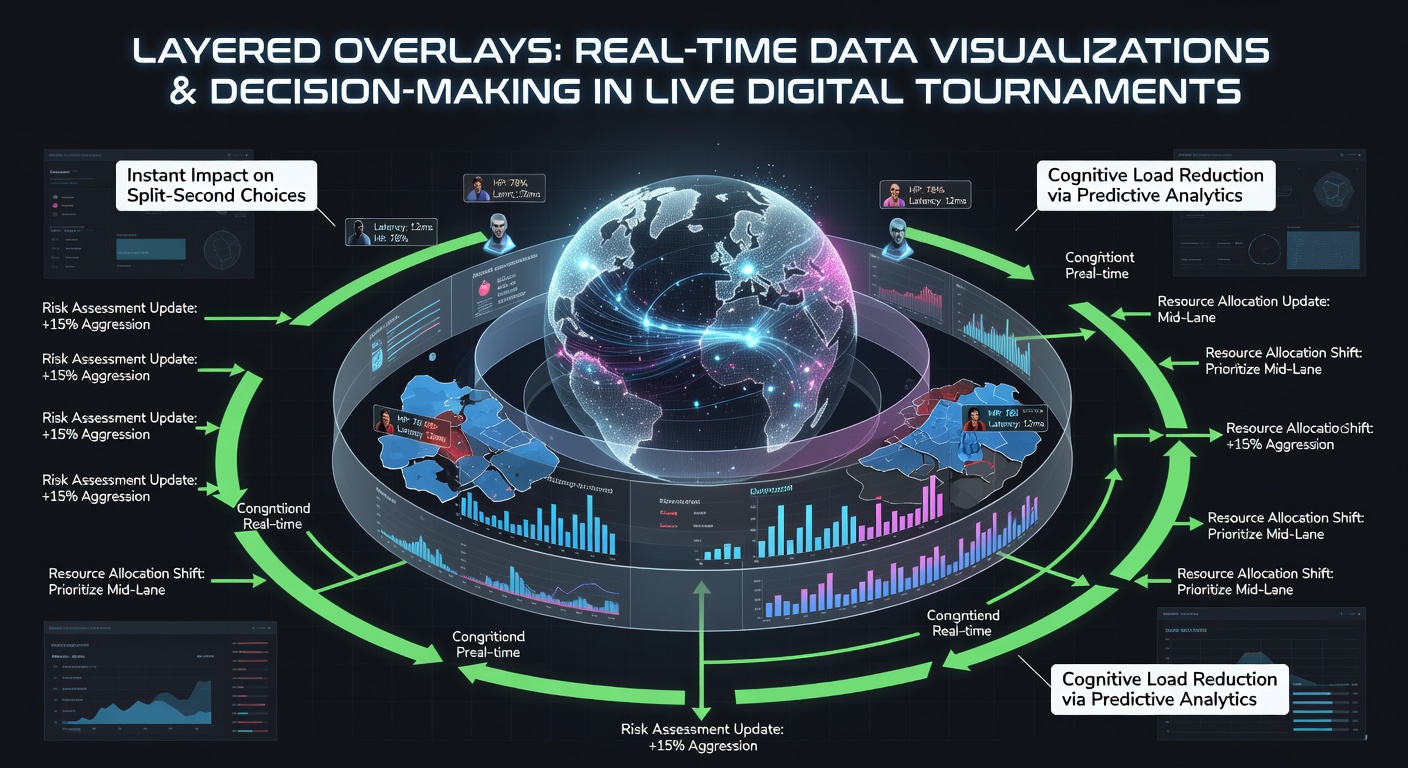
Layered overlays combine multiple streams of live information into single visual interfaces that tournament participants and analysts use to process performance metrics, positional data, and predictive models simultaneously. These systems pull from game engines, wearable sensors, and network logs before rendering them as transparent layers over primary video feeds or dedicated monitoring screens. Observers note that such integrations have grown more common in professional circuits since the mid-2020s as processing latency dropped below perceptible thresholds. In practice the overlays stack elements like resource bars, trajectory projections, and opponent tendency graphs without forcing viewers to switch between separate dashboards. Data shows that teams in titles such as real-time strategy and multiplayer online battle arena games adopted these tools first because match length allows continuous adjustment windows. Figures from tournament organizers indicate average decision cycles shortened by measurable intervals when participants referenced the additional layers instead of raw gameplay alone.Core Components of Layered Overlay Systems
Engineers build the visualizations through modular pipelines that separate data acquisition from rendering stages. Acquisition modules capture in-game events at frame-level granularity while rendering engines composite the results using GPU-accelerated blending. This separation lets organizers toggle individual layers during broadcasts without interrupting the underlying match feed.
Heatmaps form one foundational layer by aggregating positional data across thousands of prior matches to highlight high-traffic zones. Another layer renders probabilistic outcome trees that update each time a player selects an ability or item. A third layer displays communication heat indicators drawn from voice-channel activity logs. Together these elements create a composite view that coaches and analysts consult between rounds.
Effects on In-Match Decision Processes
Players who receive filtered subsets of the overlay data during pauses adjust strategies based on updated statistical probabilities rather than memory alone. Studies conducted by research groups in Canada demonstrate that access to trajectory prediction layers correlates with higher rates of successful objective captures in objective-based modes. The same research tracks how participants allocate attention across the stacked visuals, revealing shifts in gaze patterns that favor information-dense regions.
Coaches positioned in soundproof booths use separate control interfaces to annotate the overlays in real time. Annotations propagate to player tablets within seconds, allowing coordinated responses to emerging patterns such as unexpected resource depletion or positioning drift. Tournament logs from events held in May 2026 record multiple instances where such annotations preceded rapid tactical pivots that altered match momentum.
Integration with Broadcast and Spectator Platforms
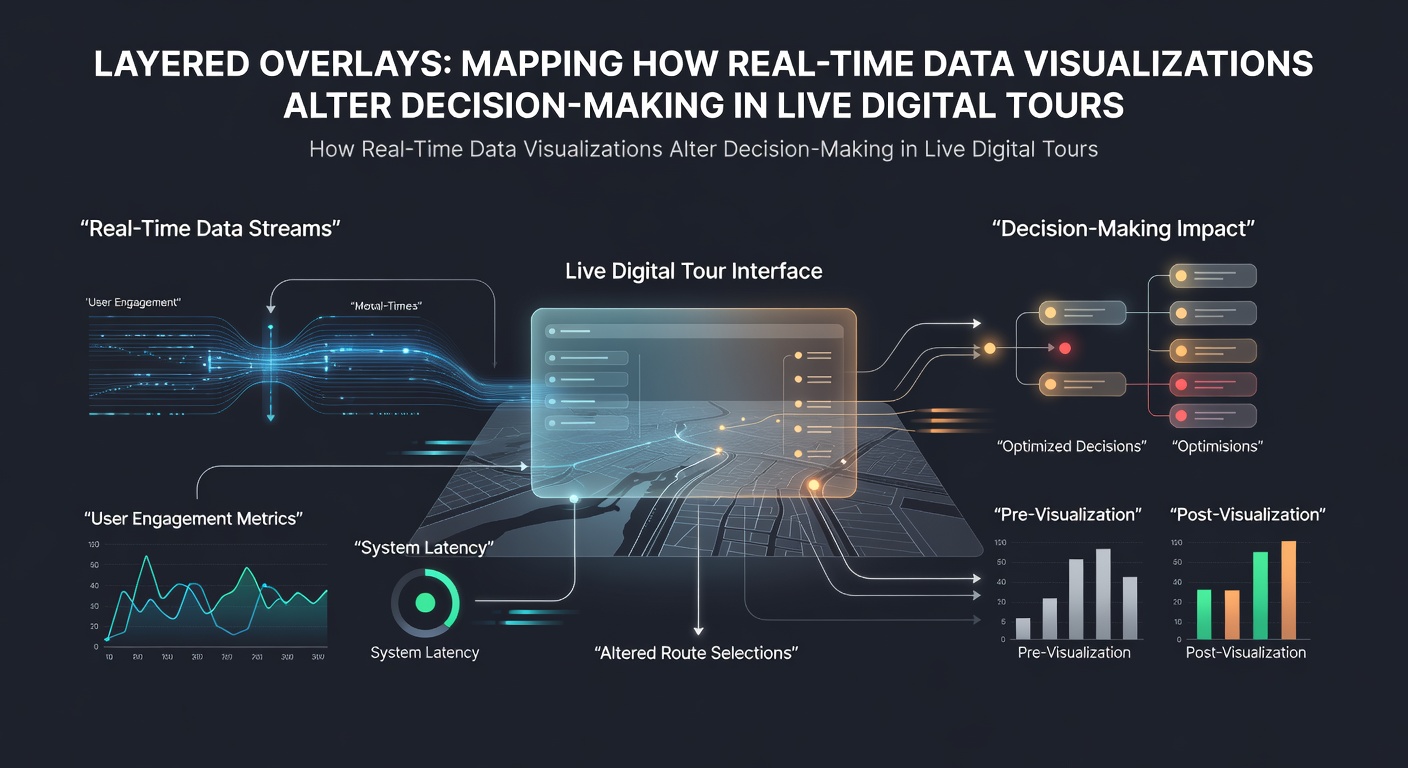
Broadcast directors select which overlay combinations reach the audience feed while keeping full-resolution versions restricted to team channels. This selective presentation maintains competitive integrity while delivering enhanced context to viewers. Industry reports compiled by the Asia-Pacific Esports Federation indicate rising engagement metrics when overlays include simplified summaries alongside the primary action.
Third-party analytics platforms further extend these systems by ingesting the same data streams and generating public-facing dashboards. Viewers on external sites can subscribe to customized layer sets that emphasize economy tracking or mechanical execution scores. The resulting ecosystem distributes decision-support information across both official and unofficial channels without central coordination.
Technical Constraints and Standardization Efforts
Latency budgets remain tight because each additional rendering pass introduces potential delay. Organizers therefore prioritize lightweight compression formats and edge-computing nodes located near competition venues. Standards bodies including the International Game Developers Association have published draft guidelines that recommend consistent data schemas across different game titles to ease overlay development.
Security protocols encrypt the overlay streams to prevent external parties from injecting false data that could mislead participants. Access logs maintained by tournament infrastructure providers show that authentication tokens rotate at fixed intervals, limiting the window for unauthorized interception attempts.
Future Trajectories in Overlay Development
Developers continue to experiment with adaptive layering that adjusts visual density according to individual user roles. Analysts receive denser statistical panels while players see only threshold alerts that preserve focus on core gameplay. Early deployments in regional qualifiers scheduled for late 2026 test these role-specific configurations under controlled conditions.
Hardware advances in augmented-reality headsets may eventually move certain overlay elements directly into player sightlines, although current regulations restrict such implementations during official matches. Research collaborations between universities in Australia and European institutions explore the cognitive load implications of such direct integration before any rule changes occur.
Conclusion
Layered overlays have become integral to the operational fabric of live digital tournaments by consolidating disparate data sources into unified visual frameworks. Their continued refinement depends on balancing information density against processing speed and competitive fairness. As hardware capabilities expand and standardization efforts mature, the same architectural principles appear poised to influence training environments and amateur circuits beyond the professional stage.