Player-Driven Mod Ecosystems Extending Lifespan of Classic Simulation Titles
Otto Krause · Jun 5, 2026
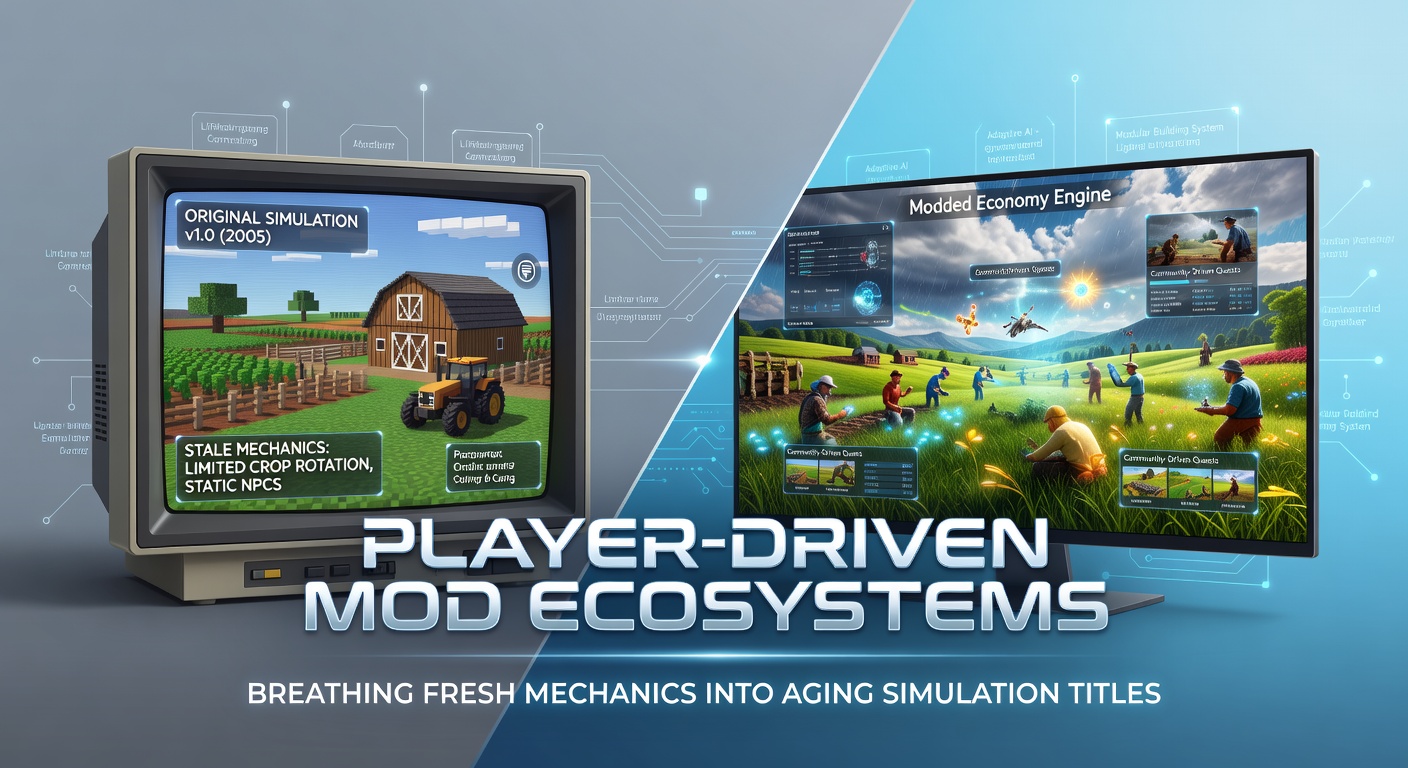
Player-Driven Mod Ecosystems Extending Lifespan of Classic Simulation Titles
Simulation games often see extended relevance through player-created modifications that introduce new systems, objects, and interactions long after official support ends. Titles such as The Sims 4 and Cities: Skylines continue receiving updates from independent creators in June 2026, with data from industry trackers showing sustained player engagement metrics tied directly to these additions.
Mechanics Introduced by Mod Communities
Observers note that mod ecosystems frequently add layers like advanced economic models or environmental simulation tools that original developers did not include at launch. For instance, creators have implemented dynamic weather patterns affecting crop yields in farming simulators, while others have introduced multi-generational family trees with branching career paths in life simulation franchises. These changes rely on existing game engines yet expand core loops without requiring new official patches.
Research indicates that such modifications often emerge from collaborative platforms where users share code snippets and asset packs. One case involved a team of programmers who integrated real-time traffic algorithms into an aging city builder, resulting in measurable increases in session lengths according to platform analytics. What's interesting here is how these features build on base mechanics like zoning and resource management while addressing player-requested depth that studio timelines rarely accommodate.
Case Examples from Established Franchises
Take the ongoing work around The Sims series, where modders have added systems for custom professions and neighborhood governance years after the base game's release. Figures from community repositories reveal thousands of active downloads monthly for these extensions, which include features such as procedurally generated events tied to player choices. Similar patterns appear in transport simulations, where enthusiasts have layered in logistics networks that simulate global supply chains using existing pathfinding tools.
Another instance centers on Stardew Valley, an older title that maintains momentum through mods introducing cooperative farming cooperatives and climate variability models. Those who've examined download trends report that these additions correlate with renewed interest spikes during seasonal events, keeping the game visible on distribution platforms without developer intervention. And yet the process remains decentralized, driven by individuals who reverse-engineer files and test compatibility across versions.
Technical Foundations Supporting Long-Term Updates
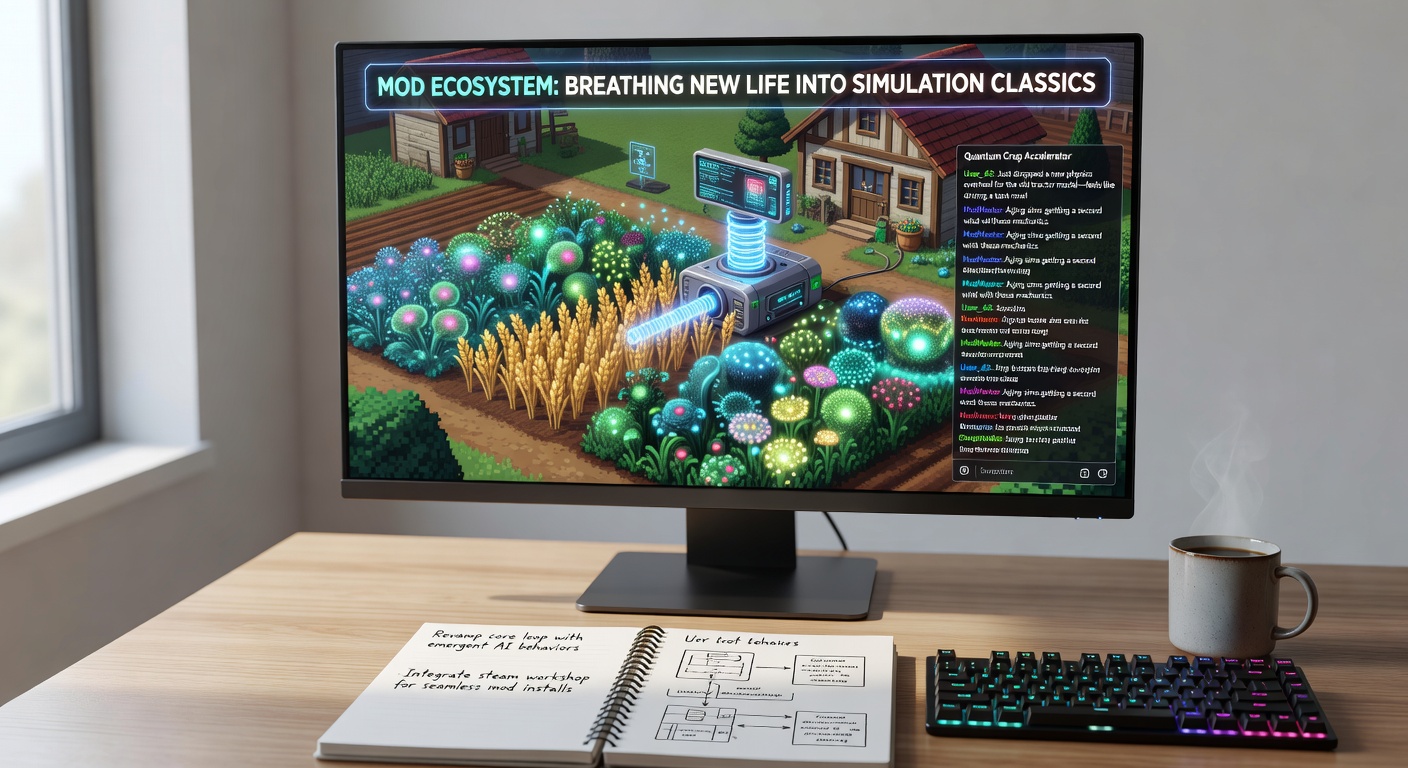
Engine accessibility plays a central role, as many simulation titles release with tools that allow scripting and asset integration. Data from software repositories shows that games with open modding APIs sustain higher modification volumes compared to those with restricted access. This setup enables creators to introduce elements such as neural network-based NPC behaviors or modular building systems that evolve alongside community feedback loops.
Turns out compatibility layers developed by volunteers often bridge updates from official sources, preserving functionality across patches. Researchers at European gaming studies centers have documented how these layers reduce fragmentation, allowing older titles to incorporate modern hardware optimizations indirectly through player efforts. The result includes preserved accessibility for new users discovering these games through word-of-mouth recommendations years later.
Community Structures and Distribution Channels
Distribution occurs primarily through dedicated sites that host version-controlled files alongside forums for troubleshooting. According to reports from the Entertainment Software Association, mod usage contributes to broader engagement metrics across simulation genres, with North American player bases showing consistent participation rates. In parallel, initiatives from Australian interactive entertainment groups track how these ecosystems support regional content creators who localize mechanics for cultural relevance.
People often find that Discord servers and shared repositories accelerate iteration, where beta testing cycles refine additions like new resource scarcity rules before wider release. This decentralized model contrasts with centralized studio pipelines yet produces comparable output volumes in terms of unique mechanics added over time.
Longevity Metrics and Industry Observations
Longevity data compiled by academic researchers at Canadian institutions highlights correlations between active mod scenes and extended revenue streams from base game sales. Observers note that simulation titles without such ecosystems tend to see steeper drop-offs in concurrent users, whereas those with thriving communities maintain presence on leaderboards. In June 2026, platforms continue logging spikes tied to major mod releases, such as expansions to social interaction systems in life simulators.
What's significant is the absence of direct monetization in most cases, which keeps focus on creative output rather than commercial pressures. Studies from university-affiliated labs indicate that this volunteer-driven approach sustains innovation at rates comparable to early post-launch periods for several aging titles.
Conclusion
Player-driven mod ecosystems demonstrate measurable impacts on simulation game longevity through added mechanics and sustained engagement. Evidence from multiple regions shows consistent patterns of community contributions that align with player interests in deeper systems and varied gameplay. As these practices evolve alongside accessible tools, they continue shaping how older titles remain relevant in distribution ecosystems without further official development cycles.