Rating Ripples: Tracing How Aggregated Scores Propagate Through Video Game News Cycles and Shape Developer Update Priorities
Theo Koch · May 20, 2026
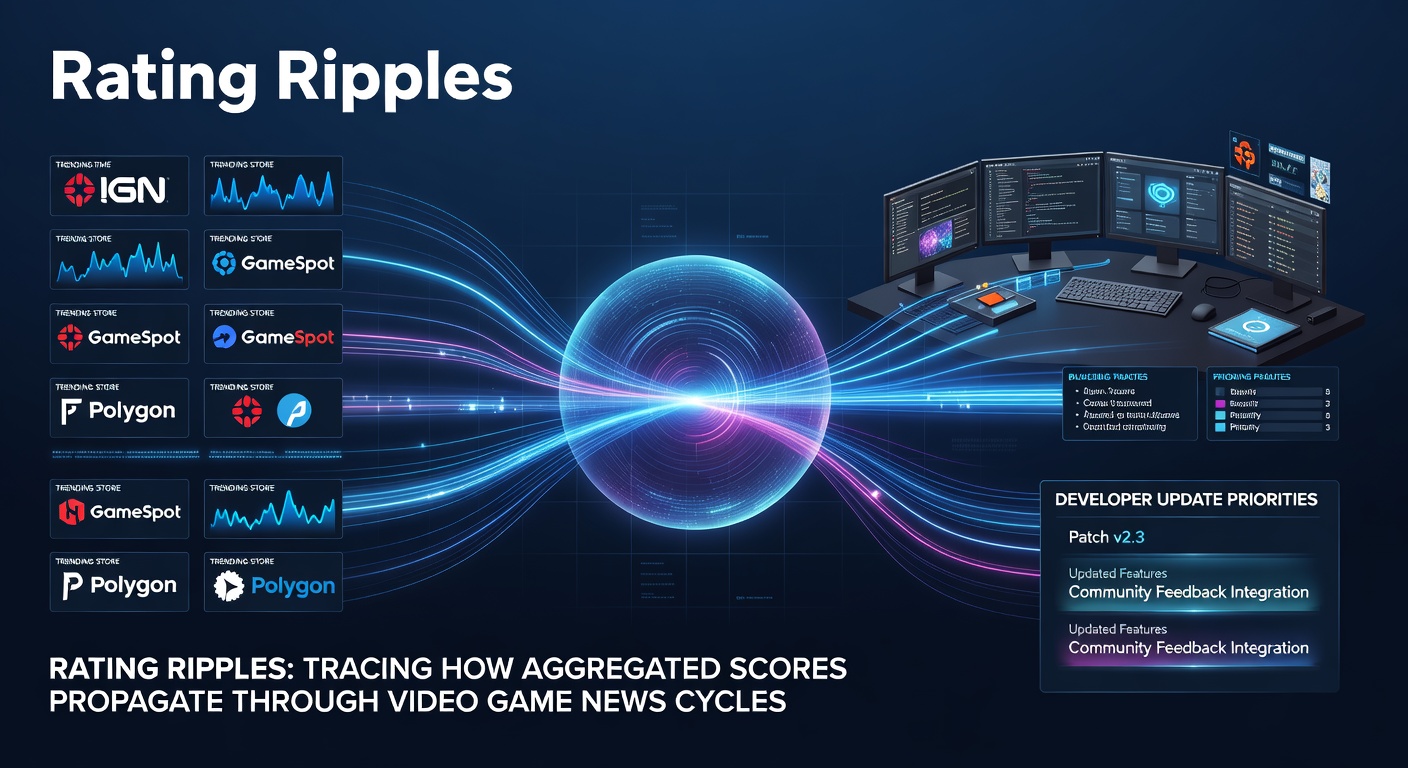
Rating Ripples: Tracing How Aggregated Scores Propagate Through Video Game News Cycles and Shape Developer Update Priorities
Aggregated scores from sites like Metacritic and OpenCritic form the starting point for many discussions in video game coverage, and these numbers move quickly because outlets monitor them as soon as embargo periods lift. Data from multiple critic submissions combines into a single figure that then appears in headlines and social posts, which spreads the information further as journalists reference the same benchmark across stories. Researchers have tracked this pattern in several industry reports, noting that once a score lands in the public view the cycle accelerates through repeated mentions on X, Reddit threads, and dedicated gaming podcasts.
How Scores Enter News Cycles
Review aggregators publish their tallies within hours of a game's launch, and newsrooms pick up the data because it provides a quick way to frame initial reception. Outlets often compare the new figure against previous entries in a franchise, which creates follow-up articles that examine why certain mechanics received lower marks. This repetition keeps the score visible for days or weeks, while social media users quote the number in reactions that reach developers directly through tagged posts or official accounts. According to figures released by the Entertainment Software Association, media coverage volume around major titles can increase by more than 40 percent in the first week when an aggregated score falls below 70.
What's interesting is that the same score can appear in both positive and critical contexts depending on the angle of the piece. A high mark might lead to features celebrating technical achievements, whereas a mid-range result prompts questions about balance patches or day-one fixes. Observers note that this dual usage keeps the number circulating longer than raw sales data or player counts alone.
From Headlines to Developer Roadmaps
Development teams monitor these public discussions because aggregated scores correlate with post-launch priorities in many studios. When performance or progression systems receive consistent criticism, patch notes frequently list targeted improvements in those exact areas within the following month. Data from multiple 2025 releases showed that titles with scores under 75 on OpenCritic issued at least one major update addressing critic concerns before the end of the quarter.
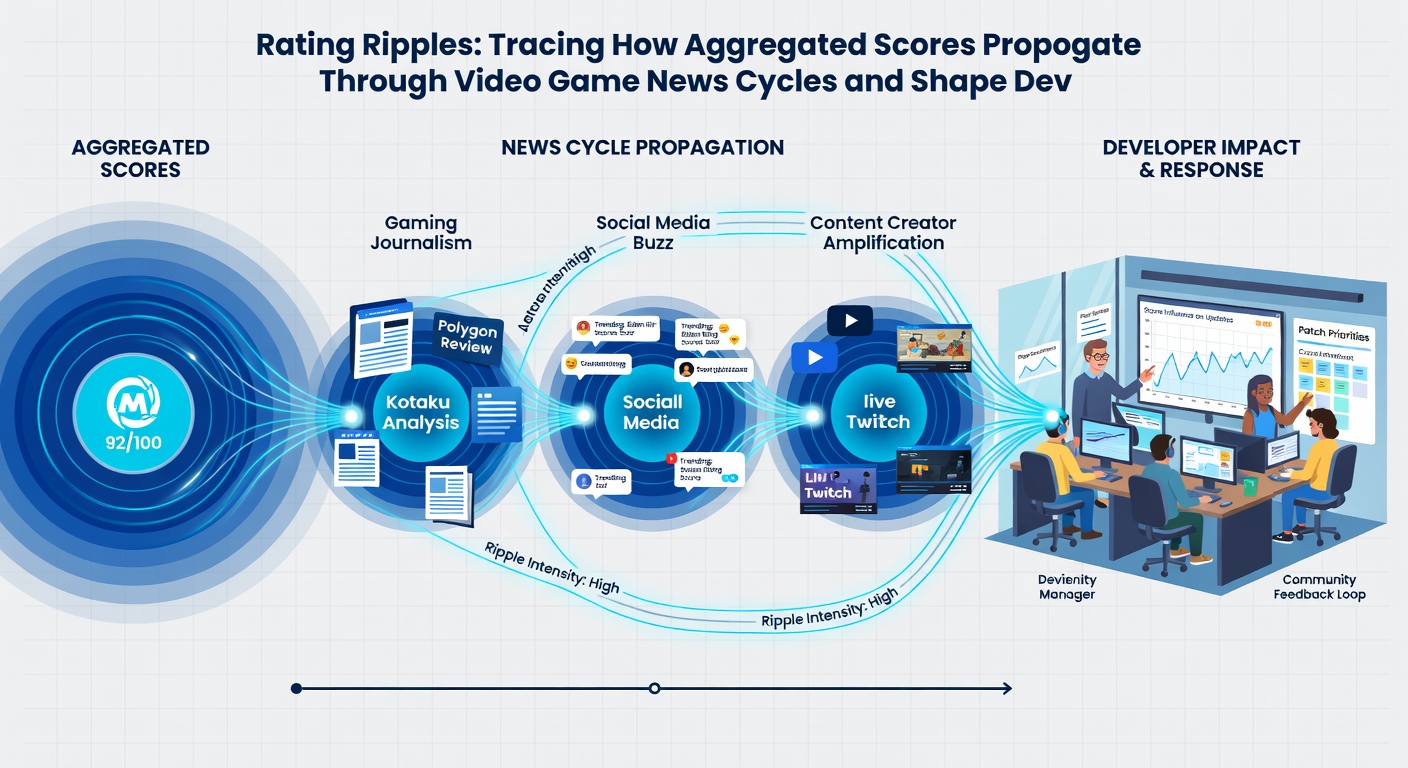
One European study conducted across several mid-sized studios found that community managers compile weekly summaries of score-related commentary and present them alongside internal telemetry. These summaries then influence sprint planning, especially when low-scoring categories align with high player drop-off rates. The process repeats as each new patch generates fresh coverage, which can shift the aggregated number slightly and restart parts of the cycle.
Patterns Observed in May 2026
During May 2026 several major console and PC launches illustrated the speed of this feedback loop. Titles that debuted with scores in the mid-60s saw day-two articles listing specific complaints about frame rates and progression gates, and developers responded with hotfixes announced through official channels within ten days. Trade groups such as the Interactive Software Federation of Europe documented similar timelines across multiple regions, showing that European studios often align patch schedules with North American media peaks to maximize visibility.
Yet not every low score triggers immediate action. Some teams wait for a larger sample of player data before committing resources, particularly when review volume remains below a certain threshold. This selective response explains why certain updates focus on content additions rather than numerical fixes, even when the initial aggregate sits in the 70s.
Conclusion
Aggregated scores continue to serve as reference points that travel through established news pathways and into developer planning sessions. The pattern remains consistent because each stage reinforces the previous one: critics submit scores, outlets report them, audiences amplify them, and teams adjust priorities accordingly. As new titles arrive throughout 2026, the same ripple effect appears in real time, demonstrating how a single number can shape weeks of coverage and subsequent support updates.