Regional Myths Quietly Reshape Global Game Narratives Through Developer Localization Choices
Theo Koch · Jun 21, 2026
Regional Myths Quietly Reshape Global Game Narratives Through Developer Localization Choices
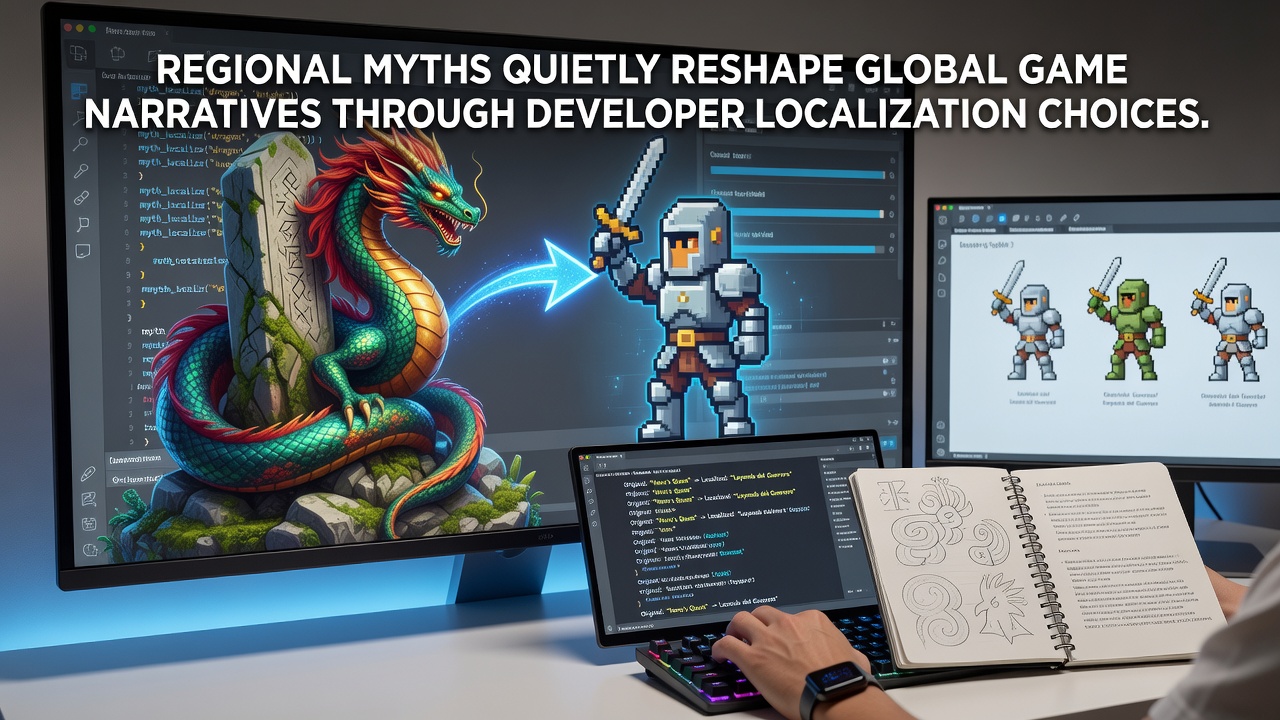
Developers make deliberate decisions during localization that weave regional myths into game stories for worldwide audiences, and these choices accumulate over multiple releases to influence how narratives evolve across markets. Teams adjust dialogue, character backstories, and environmental details to align with cultural expectations while preserving core mechanics, which results in versions that carry distinct mythological layers depending on the target region.
Localization Processes and Myth Integration
Localization extends beyond translation when developers decide which mythological elements stay intact or receive modifications to fit player familiarity in different territories. Studios examine source material for symbols that might resonate differently, such as spirits or deities drawn from Japanese folklore that appear in role-playing titles, and they alter descriptions or visual cues to maintain narrative flow without introducing confusion. Research from industry reports indicates these adjustments occur early in development cycles, often during script reviews where cultural consultants provide input on phrasing that preserves intent while easing comprehension.
Teams track how players in one region respond to specific references and apply those insights when preparing updates for others, creating feedback loops that refine future projects. Data compiled by the Entertainment Software Association reveals consistent patterns where localized content featuring adapted myths shows higher completion rates in secondary markets compared to direct translations.
Case Examples Across Platforms
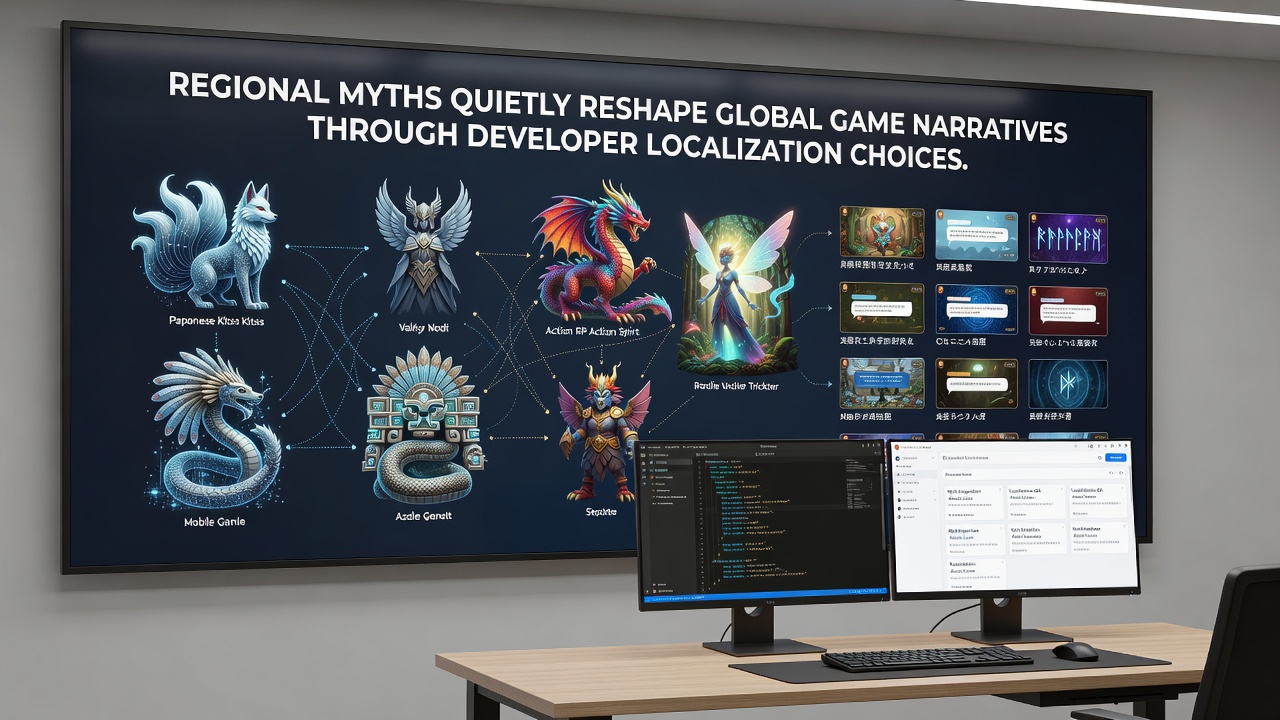
Several major releases illustrate how regional myths enter global narratives through targeted localization. In action-adventure games drawing from European traditions, developers retain references to Norse figures yet soften certain ritual elements for audiences outside Scandinavia, which allows the story to advance while introducing subtle variations in side quests. Mobile titles originating from East Asian studios frequently incorporate local guardian spirits into character abilities, then expand those concepts with additional context when porting to console versions for Western players.
One study conducted by researchers at the University of Tokyo documented how yokai-inspired mechanics in a popular series received expanded lore during European localization, adding explanatory layers that tied into broader themes of nature and balance. This approach keeps the original cultural foundation visible while giving new players entry points that connect to familiar storytelling structures.
Market Data and Narrative Shifts in 2026
Figures from mid-2026 show rising player engagement with titles that blend mythological elements from multiple regions, particularly in cross-platform releases scheduled around June. Analysts note that games featuring localized myth integrations maintain stronger retention metrics across Asia, Europe, and North America when compared to uniform global builds. These patterns emerge because developers prioritize consistency in core plot points while allowing regional teams to layer in culturally resonant details that enhance emotional investment.
Interactive Software Federation of Europe documentation highlights similar trends in titles migrating from mobile origins to console ecosystems, where myth-based side content expands during localization to match audience expectations for deeper world-building. Observers note that such expansions rarely alter main story outcomes yet influence how players perceive character motivations and environmental storytelling across different versions.
Long-Term Effects on Global Storytelling
Over successive game generations, accumulated localization decisions create shared narrative frameworks that incorporate myths from varied origins without requiring players to seek external explanations. Developers now build modular story assets that support multiple cultural overlays, which streamlines updates while preserving authenticity in each market. This method allows a single project to carry Japanese creation myths alongside Celtic motifs, each adapted through separate localization passes that maintain internal logic.
Evidence from player behavior studies suggests these layered narratives encourage exploration of additional content, as users encounter familiar mythological threads that bridge cultural gaps. Studios continue refining these practices through post-release patches that incorporate feedback gathered from diverse regions, ensuring ongoing alignment between developer intent and audience reception.
Conclusion
Regional myths enter global game narratives through systematic localization choices that balance cultural preservation with accessibility, and data from 2026 demonstrates measurable impacts on engagement across platforms. Developers apply these strategies consistently, resulting in stories that evolve through regional adaptations while maintaining structural integrity. Continued tracking of these patterns reveals how such decisions shape the broader landscape of interactive entertainment without disrupting core gameplay experiences.