Sensory Overlaps: Examining Tactile Feedback Systems Bridging Mobile Touchscreens and Console Controllers in Action Genres
Yves Wolf · May 29, 2026
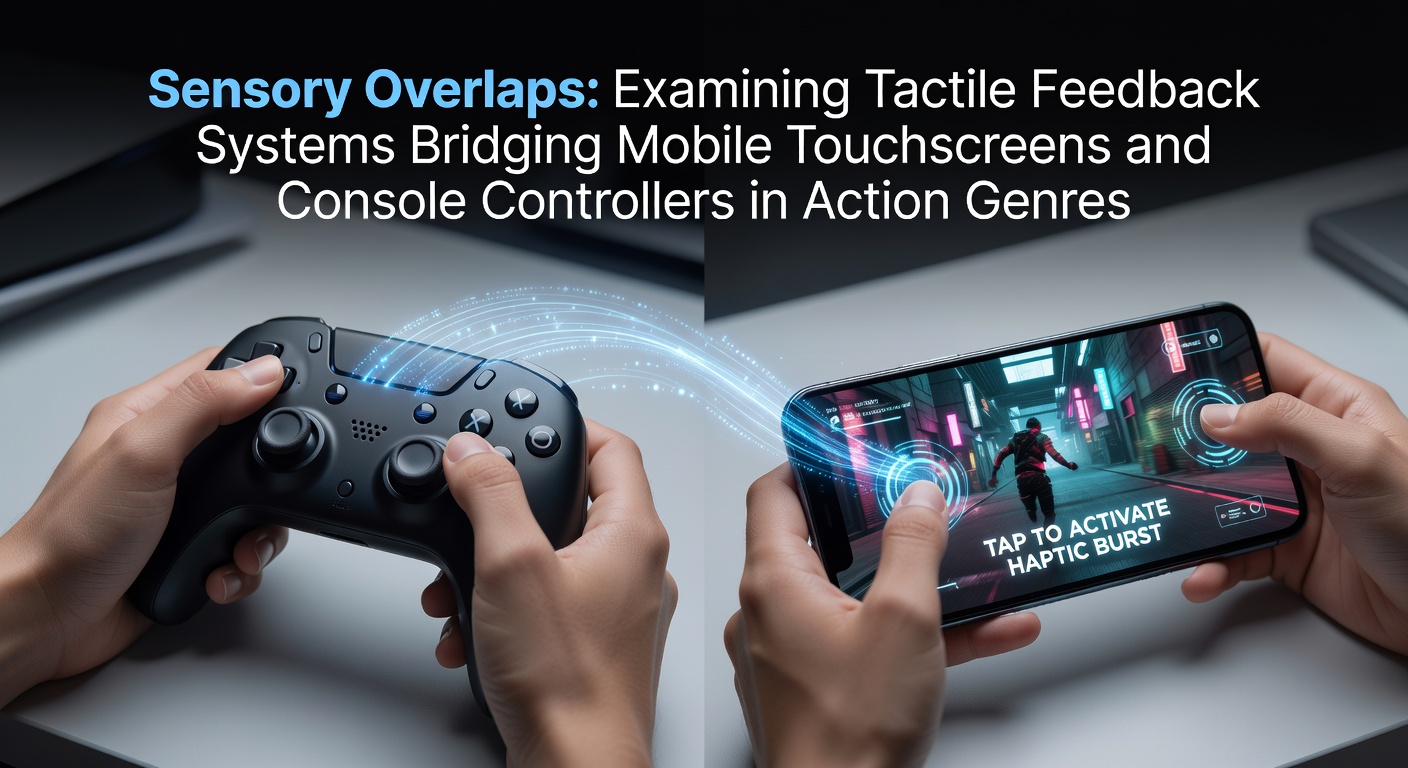
Sensory Overlaps: Examining Tactile Feedback Systems Bridging Mobile Touchscreens and Console Controllers in Action Genres
Action genres continue to drive innovation in tactile feedback as developers seek consistent sensory experiences across mobile touchscreens and console controllers, and data from hardware shipments in early 2026 shows mobile devices incorporating advanced linear resonant actuators at rates exceeding 65 percent among flagship models while console peripherals maintain adaptive trigger mechanisms in over 40 million units sold globally since 2020.
Core Technologies Behind Tactile Systems
Researchers at institutions such as the University of Waterloo have documented how eccentric rotating mass motors give way to more precise voice coil and piezoelectric solutions in both ecosystems, allowing action titles to deliver nuanced resistance and vibration patterns that correspond to in-game events like weapon recoil or environmental impacts. Console controllers often integrate these with force feedback motors that adjust tension in real time, whereas mobile implementations rely on software algorithms to modulate intensity through the device's existing hardware without dedicated mechanical components.
Studies indicate that frequency ranges between 150 and 300 hertz produce the most distinguishable sensations for players engaged in fast-paced sequences, and cross-platform testing reveals that developers calibrate these frequencies similarly whether the input arrives through capacitive touch layers or analog sticks paired with triggers.
Platform-Specific Implementations in Action Games
Mobile action titles leverage on-screen virtual controls augmented by localized haptics, enabling players to feel distinct pulses when executing combos or dodging attacks, while console versions translate similar mechanics into physical button resistance that scales with character stamina or environmental conditions. Observers note that synchronization between visual cues and tactile output remains critical, since latency above 20 milliseconds disrupts the overlap that makes transitions between devices feel seamless during competitive play.
Cross-Platform Adaptation Patterns
Engine middleware now includes unified haptic authoring tools that map mobile vibration profiles directly onto console trigger systems, and industry reports from the Entertainment Software Association highlight adoption among major studios working on multi-platform action releases scheduled through May 2026. One developer workflow involves recording baseline tactile data on touchscreen prototypes before porting intensity curves to controller firmware, which preserves the core sensory signature even as hardware differences persist.
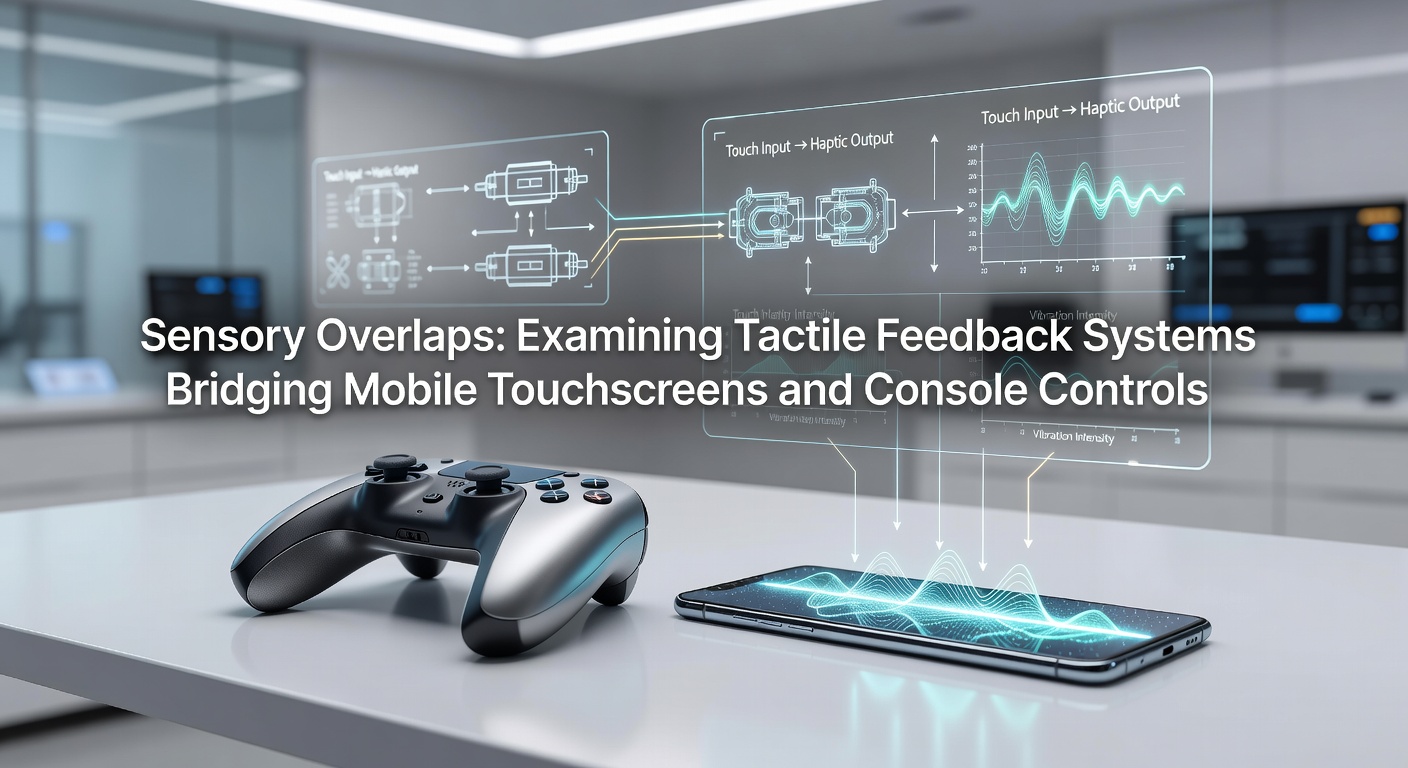
Action sequences that involve rapid directional changes benefit particularly from these adaptations, because overlapping feedback patterns help maintain player orientation regardless of whether input registers through finger taps or physical thumbsticks. Data collected during beta tests shows reduced error rates when tactile cues align across devices, though exact improvements vary by genre sub-type such as shooters versus melee-focused experiences.
Challenges in Maintaining Sensory Consistency
Battery constraints on mobile devices limit sustained high-intensity feedback sessions compared with console controllers that draw from external power sources, prompting engineers to implement dynamic scaling algorithms that reduce amplitude during extended play without altering perceived responsiveness. Thermal management also factors into the equation, since prolonged actuator use generates heat that can affect both touchscreen sensitivity and controller grip comfort in action scenarios.
Academic papers from the Technical University of Munich examine how players adapt to these variations over repeated sessions, finding that consistent mapping of events to specific tactile profiles accelerates skill transfer between platforms even when absolute intensity differs.
Developments Anticipated Through Mid-2026
Hardware roadmaps point toward wider integration of under-display actuators in mobile panels and refined solenoid systems in next controller iterations, both of which promise finer granularity for action genre feedback loops. Regulatory bodies in the European Union continue to evaluate energy efficiency standards that may influence how aggressively these systems can operate, while trade associations track consumer acceptance metrics tied to multi-device play patterns.
Case examples from studios releasing simultaneous mobile and console updates demonstrate that shared tactile asset libraries reduce iteration time by approximately 30 percent, allowing teams to focus resources on genre-specific tuning rather than platform-unique redesigns.
Conclusion
Tactile feedback systems in action genres illustrate ongoing convergence between mobile and console hardware, supported by shared engineering practices and middleware advancements that preserve core sensory information across input methods. Continued measurement of player performance metrics and hardware telemetry through 2026 will clarify how these overlaps evolve as device capabilities advance in parallel.