Tracing the Impact of User-Generated Content on Longevity in Open-World Survival Experiences
Otto Krause · Jul 17, 2026
Tracing the Impact of User-Generated Content on Longevity in Open-World Survival Experiences
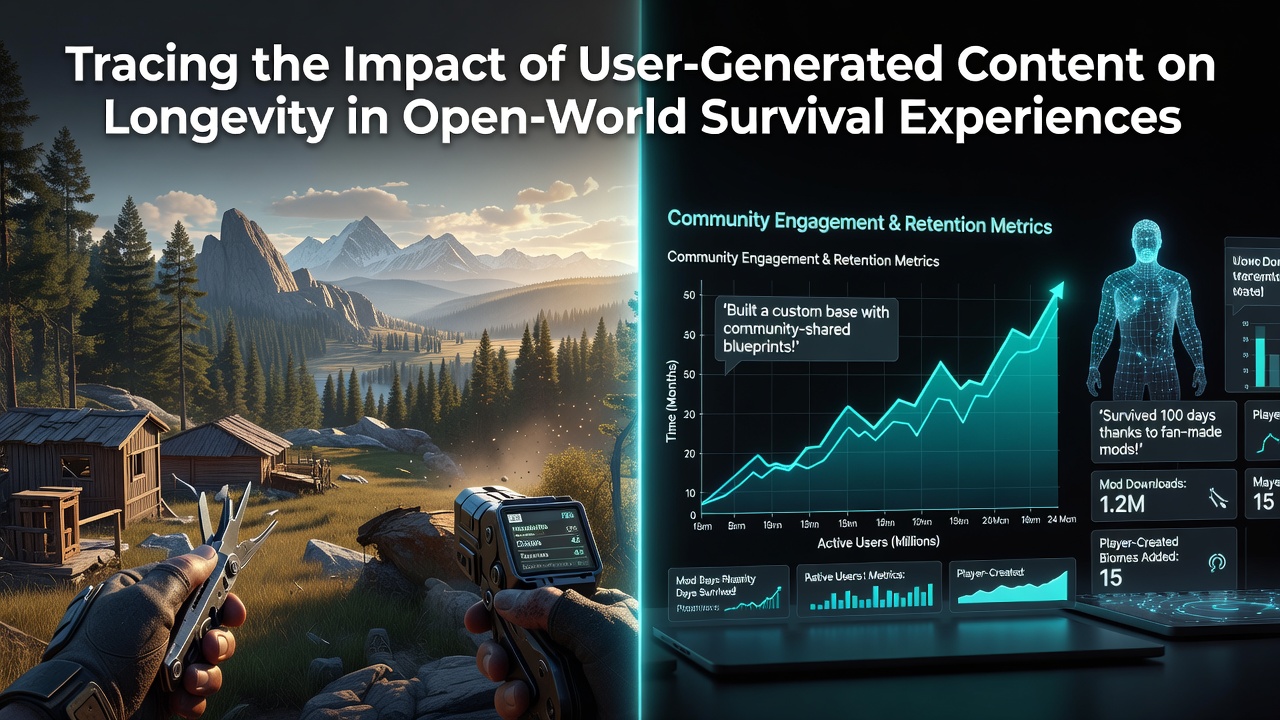
Open-world survival experiences rely on player creativity to sustain engagement long after initial releases, and user-generated content plays a central role in extending those timelines. Data from industry reports shows that titles incorporating robust UGC tools maintain active player bases for years rather than months, with custom servers and mods driving repeated logins and community growth. Researchers tracking retention metrics across platforms note that games without strong UGC options often see steeper drop-offs after the first year, whereas those with active creation ecosystems report steadier numbers through 2026.
Core Elements of UGC in Survival Titles
Survival games built around exploration and resource management attract creators who design everything from simple shelters to entire ecosystems, and these additions reshape how players interact with the core loop. According to figures compiled by the Entertainment Software Association, user modifications account for up to 40 percent of total playtime in select open-world titles released between 2020 and 2025. Players build shared worlds, introduce new mechanics through scripts, and host persistent servers that evolve independently of official patches, creating layers of replayability that official content alone rarely matches.
Observers tracking server populations find that communities centered on UGC frequently outlast developer-supported events, because participants invest time in their own contributions and return to maintain them. This pattern appears consistently across multiple titles, where custom rulesets and player-made assets encourage long-term commitments that standard progression systems cannot replicate on their own.
Retention Patterns Linked to Creation Tools
Studies conducted by academic teams at institutions such as the University of Melbourne reveal that access to UGC platforms correlates with higher lifetime engagement hours in survival sandboxes. The research examined player logs from several major releases and found that individuals who created or used mods logged in 2.3 times more frequently over a 24-month period than those restricted to vanilla experiences. These extended sessions stem from ongoing projects like collaborative bases, custom events, and shared resource economies that keep participants invested beyond the initial survival challenges.
What's interesting here is how UGC shifts the focus from solo endurance to collective maintenance, and developers have observed corresponding increases in subscription renewals for hosted servers. In July 2026, several long-running titles continue to benefit from this dynamic, with player counts holding steady due to fresh content generated entirely outside official channels.
Case Examples from Established Titles
Take one long-standing survival title where players have constructed sprawling custom maps that host thousands of concurrent users each week, and server operators report average session lengths doubling when new player creations are introduced. Another example involves a game that integrated marketplace tools for sharing assets, leading to thousands of downloads within months and measurable upticks in retention metrics tracked by platform analytics. These cases demonstrate how UGC functions as an organic content pipeline that refreshes the experience without requiring additional developer resources.
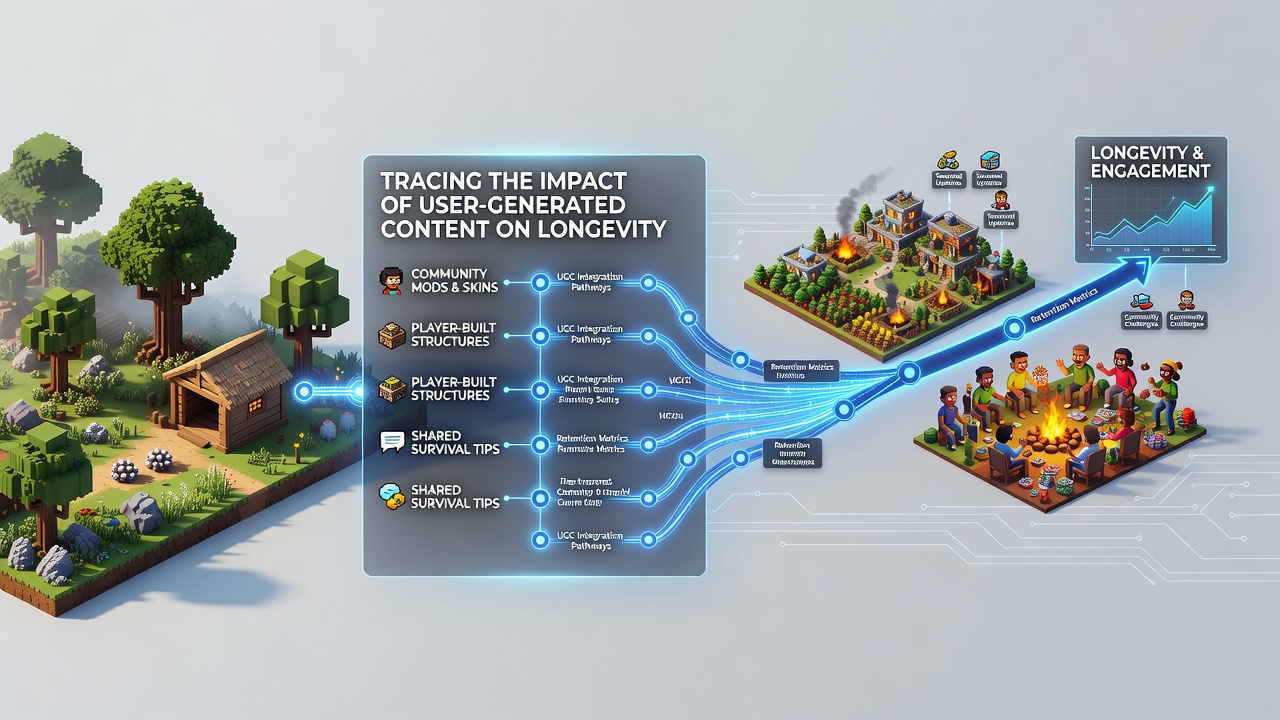
Those who've studied community forums note that feedback loops form quickly once creation tools gain traction, with popular mods inspiring further iterations and expanding the overall ecosystem. Data from these environments indicates reduced churn rates, because participants develop social ties tied to their creations rather than relying solely on matchmaking systems.
Developer Responses and Platform Integration
Game studios have responded by embedding creation kits earlier in development cycles, and platform holders have introduced verification systems to manage quality and compatibility. Reports from regional trade groups such as the Interactive Games and Entertainment Association in Australia highlight how these integrations reduce technical barriers for new creators, resulting in broader participation and more diverse content libraries. The outcome appears in sustained revenue streams from server hosting fees and asset marketplace transactions that continue years after launch.
Yet challenges remain around moderation and performance, since large-scale player creations can strain hardware and introduce compatibility issues with updates. Industry analyses show that titles addressing these hurdles early maintain stronger longevity curves, while others experience fragmentation when communities split across incompatible versions.
Conclusion
Evidence gathered across multiple studies and platform datasets confirms that user-generated content extends the operational lifespan of open-world survival experiences through sustained player investment and evolving community structures. As of mid-2026, the pattern holds across both established and emerging titles, with creation tools serving as a primary driver of continued engagement rather than a supplementary feature. Developers monitoring these trends continue to prioritize accessible toolsets that support long-term retention without direct intervention.