Unseen threads: the hidden economics of in-game currency fluctuations affecting long-term retention in simulation genres
Theo Koch · Jun 3, 2026
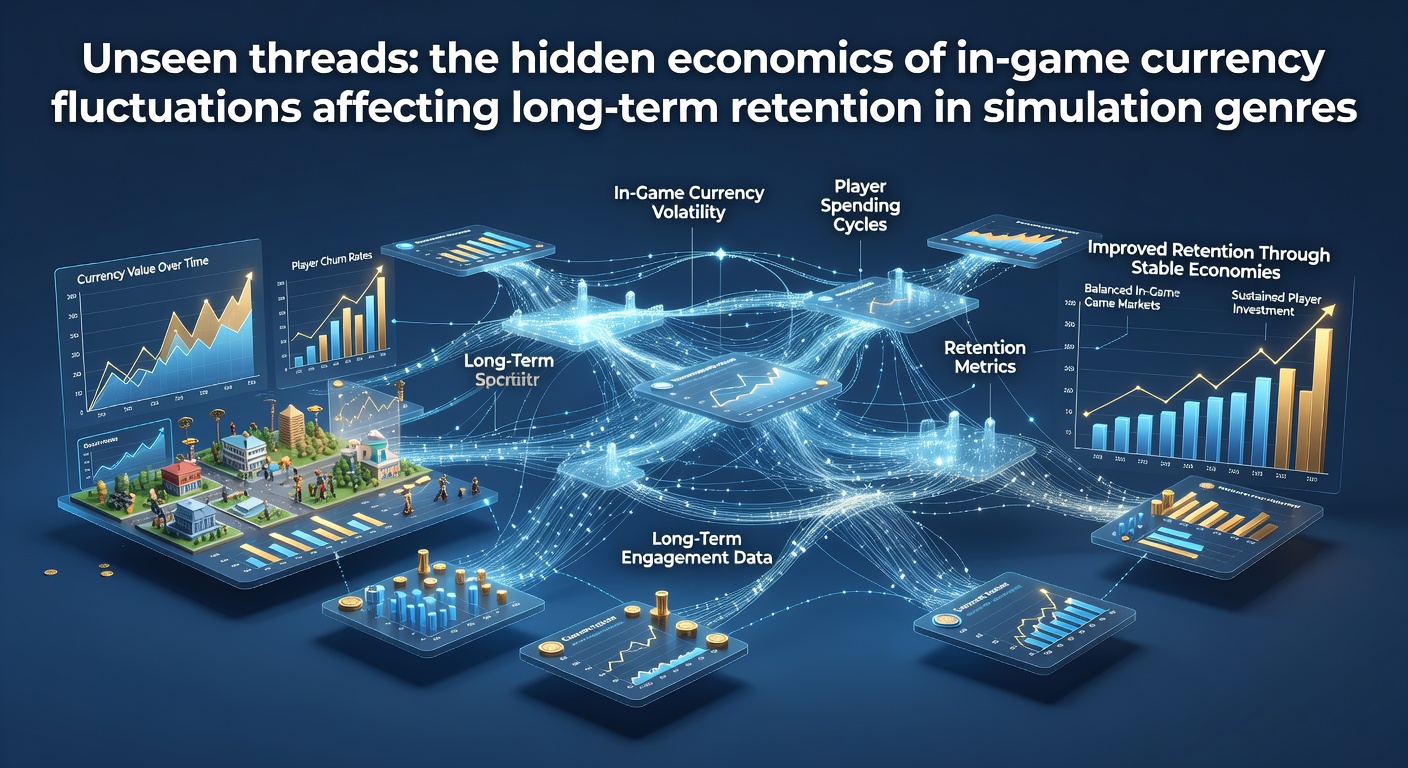
Unseen threads: the hidden economics of in-game currency fluctuations affecting long-term retention in simulation genres
Simulation genres have long relied on intricate virtual economies where in-game currencies serve as the backbone for progression, resource management, and player engagement, yet fluctuations in these systems create ripple effects that extend far beyond immediate gameplay sessions. Data from industry tracking services indicate that titles such as city builders and life simulators experience measurable shifts in player behavior when virtual money supplies expand or contract without corresponding adjustments to item costs or rewards. Researchers at multiple institutions have documented how these changes influence session lengths and return rates over periods spanning months or years.
Mechanics behind currency systems in simulation titles
Developers design currency mechanics to balance short-term incentives with long-term goals, incorporating elements like income generation from virtual jobs, trade networks, and production chains that players manipulate over extended play periods. In many cases these systems incorporate inflation triggers through events such as seasonal updates or new content drops, which introduce additional money sources without immediate sinks to absorb the excess. Observers note that when new player cohorts enter established servers the influx of fresh currency often dilutes value for veteran participants, prompting adjustments in spending patterns and activity levels.
Studies conducted across various platforms reveal consistent patterns where simulation games with fixed reward structures encounter pressure points once player populations stabilize. Currency values tied to real-world time investments become misaligned with market realities inside the game, leading participants to either accelerate grinding routines or reduce overall engagement. Those who have analyzed retention logs across multiple titles point to correlations between sudden supply increases and subsequent drops in daily active users within specific demographic segments.
Tracking fluctuations and their measurable outcomes
Analytics platforms compile retention figures that highlight how even modest currency devaluations correlate with changes in login frequency and feature usage. For instance, when production costs rise faster than earning rates players shift focus toward alternative progression paths or abandon certain mechanics altogether. Figures released in mid-2026 show simulation titles maintaining stable populations only when developers introduce balancing patches within weeks of detected imbalances, whereas delayed responses coincide with accelerated churn rates among mid-level accounts.
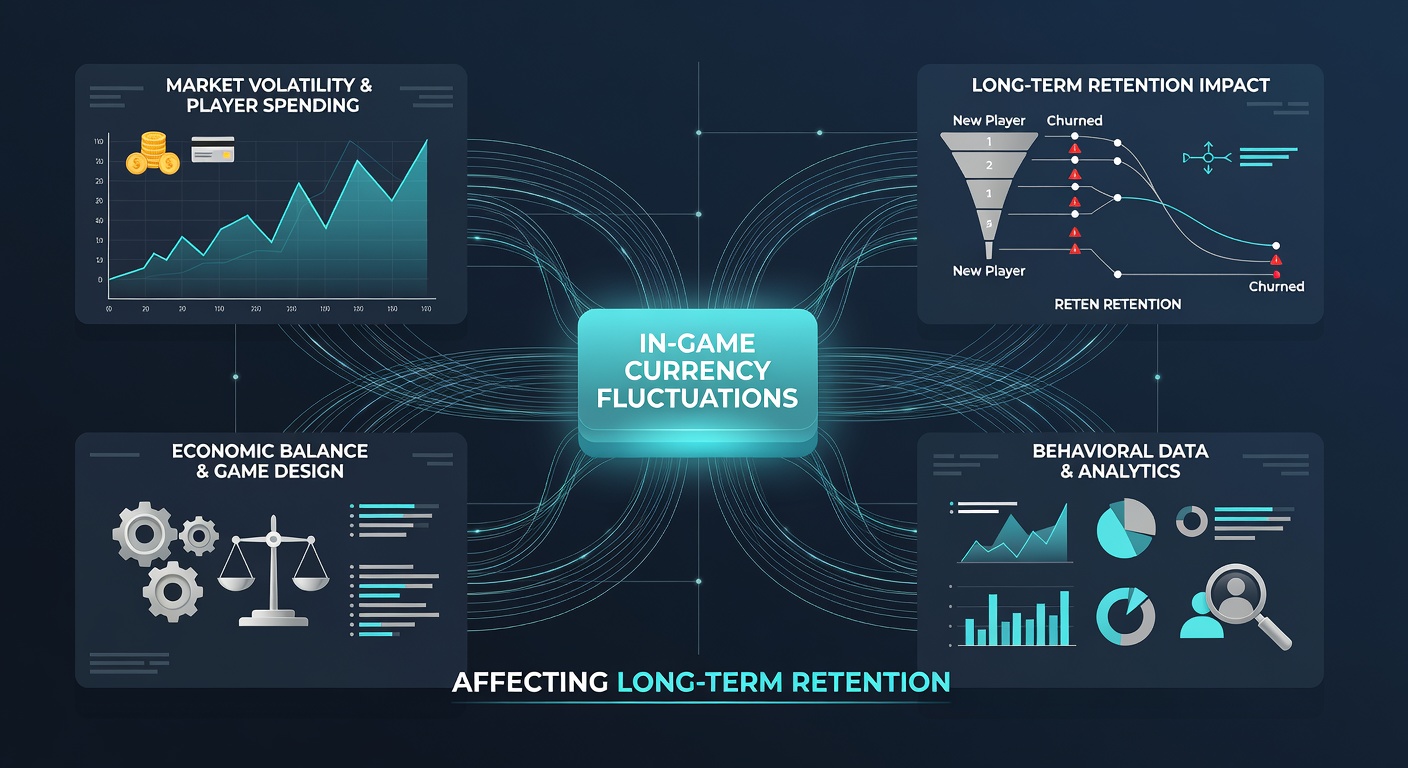
One research initiative from the University of Melbourne examined longitudinal data from several popular simulation franchises and found that currency inflation exceeding 15 percent over a three-month window corresponded with retention declines of up to 22 percent among players who had accumulated moderate wealth. The same dataset revealed that targeted sinks such as limited-time purchases or prestige upgrades helped stabilize populations when implemented promptly. Australian Interactive Games & Entertainment Association reports from the same period underscore similar dynamics across regional player bases, noting that cross-title comparisons consistently link economic stability to sustained engagement metrics.
Long-term retention patterns across player cohorts
Long-term retention depends on perceived fairness in economic progression, which erodes when currency fluctuations create advantages for newer accounts or punish consistent play habits. Data indicates that players who reach advanced stages often reduce activity once the marginal utility of additional currency diminishes, particularly if core loops no longer deliver meaningful advancement. Those monitoring community forums and telemetry observe increased discussion volume around economic complaints preceding measurable retention drops by several weeks.
Simulation games released or updated around June 2026 incorporated dynamic pricing algorithms that adjusted item costs in response to aggregate player wealth, resulting in steadier retention curves compared with static systems. Case examples from multiple developers demonstrate that proactive monitoring of transaction volumes and average holdings allows teams to introduce corrective measures before widespread disengagement sets in. Evidence suggests these interventions prove most effective when applied at the first signs of divergence between earning potential and expenditure requirements.
Conclusion
Currency fluctuations in simulation genres operate as unseen threads that bind immediate gameplay decisions to extended player commitment, with available data revealing clear connections between economic design choices and retention statistics. Developers who track these variables through ongoing analysis maintain stronger long-term audiences by aligning supply and demand mechanisms with player behavior trends. Continued examination of these patterns across platforms provides actionable insights for future title development and update strategies.