Vein Maps: How Resource Algorithm Patterns Steer Exploration Habits Across Persistent Digital Worlds
Yves Wolf · Aug 31, 2026
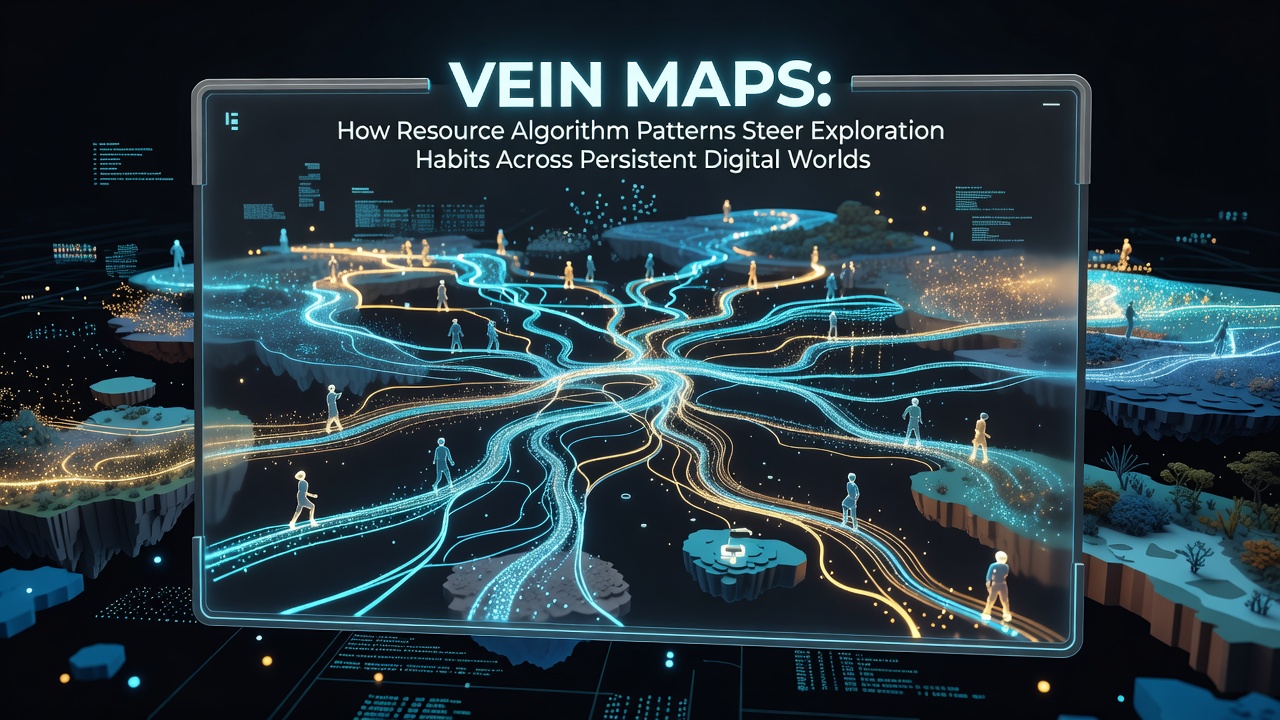
Vein Maps: How Resource Algorithm Patterns Steer Exploration Habits Across Persistent Digital Worlds
Resource algorithms in persistent digital worlds operate through layered procedural systems that place materials along simulated geological veins, and these patterns directly influence where players choose to travel, gather, and establish outposts over extended periods. Game engines calculate spawn probabilities based on terrain height, biome type, and player density metrics, which creates predictable corridors that communities learn to follow without explicit instruction. Data from large-scale server logs shows that exploration routes often align with these hidden calculations rather than emerging from random player choice alone.
Algorithmic Placement and Player Pathing
Developers embed vein structures using noise functions and weighted distribution tables so that high-value nodes cluster along specific elevation bands or near water sources, and this setup channels movement into repeatable loops across servers that persist for months or years. In titles running continuous worlds, the system refreshes depleted areas on timers tied to global activity, which forces groups to rotate between known corridors while still rewarding those who map the underlying rules. Researchers at the University of California documented how these mechanics produce measurable convergence on the same resource arteries even when maps receive no official updates.
Players discover that certain biomes yield consistent returns only when approached from particular angles, so they adjust travel speed and timing to hit refresh windows. Server telemetry collected during August 2026 revealed spikes in route usage immediately after minor algorithm tweaks that shifted vein density by a few percentage points. The adjustments, though small on paper, redirected thousands of individual sessions toward previously underused zones within days.
Community Mapping and Shared Knowledge
Persistent worlds foster collaborative documentation efforts where players compile spreadsheets and heatmaps of vein locations, yet these resources still reflect the core algorithmic logic rather than overriding it. Groups share coordinate data through forums and in-game chat, which accelerates collective adaptation but also concentrates activity along the same calculated seams. Industry reports from the Entertainment Software Association note that retention metrics improve when players feel they have uncovered these patterns through repeated testing rather than through direct developer guidance.
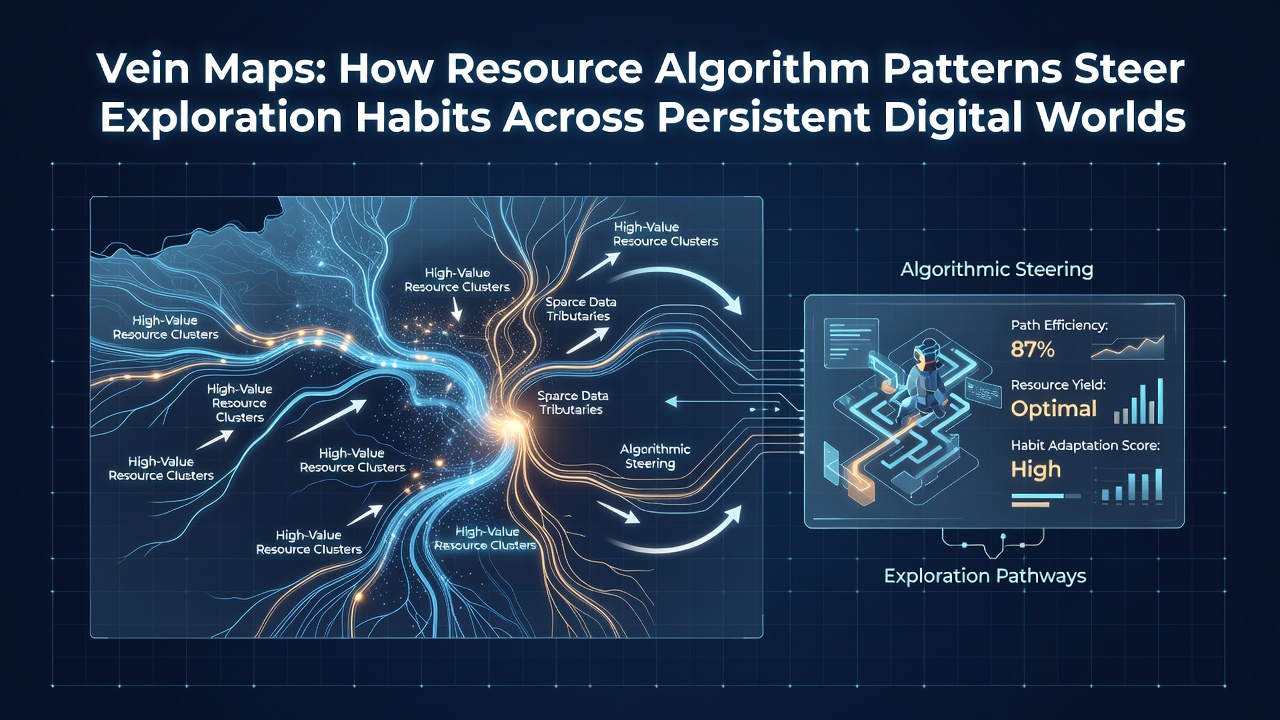
One study of long-running simulation servers found that new entrants adopt existing corridors within their first ten hours of play because visible player traffic and resource respawn cues reinforce the algorithmic structure. Veterans who deviate from these paths often return after testing less efficient alternatives, demonstrating that the system rewards alignment with its internal logic over pure experimentation. External tools that scrape spawn data further embed these habits by turning raw numbers into visual overlays that entire guilds consult before each session.
Long-Term Effects on World Persistence
Over multiple update cycles, vein algorithms interact with player-built infrastructure so that roads, outposts, and transport networks form along the same resource flows, and this feedback loop strengthens the original placement rules. When developers introduce new biomes or materials, the system seeds them using the same weighted tables, which extends established exploration habits instead of resetting them. Figures from analytics platforms tracking August 2026 activity show that worlds with stable vein systems maintain higher average session lengths compared with those that randomize placements more aggressively.
Economies inside these environments also respond to the patterns, because bulk transport routes and market hubs develop at natural chokepoints created by vein convergence. Players who master the timing of refreshes gain advantages in trading circles, while those who ignore the underlying structure face higher costs for travel and storage. Academic papers examining multi-year server histories indicate that these dynamics produce self-reinforcing regions where activity remains elevated long after initial population surges subside.
Conclusion
Vein map systems continue to shape how communities navigate and invest time in persistent digital worlds because they combine predictable mathematical rules with responsive refresh mechanics that reward observation and coordination. As engines incorporate finer terrain data and player-density variables, the corridors they generate grow more sophisticated yet remain legible to dedicated groups. The result is an ongoing dialogue between code and collective behavior that defines exploration habits across servers that never fully reset.